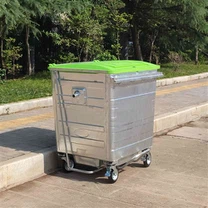



One of the most pressing issues we face today is the growing amount of waste we generate. The good news is that our society has become increasingly aware of the problem, and we have taken various steps to address it. One crucial aspect of our efforts is garbage collection, which involves the collection, sorting, and disposal of waste products. In this article, we will explore the importance of garbage collection and how it is helping us pave the way for a more sustainable future.
Garbage collection plays a pivotal role in managing our waste. Without it, the waste would pile up on our streets and public areas, causing severe health hazards and environmental degradation. The collection process involves a system of trucks, dumpsters, and bins that are used to transport the waste from households and businesses to designated disposal sites.
The collection process is not without its challenges. For instance, managing the types of waste we generate can be a daunting task. This is where sorting comes in. Sorting involves separating waste based on its type or category, such as organic, recyclable, and non-recyclable materials. This process can be time-consuming, but it is essential as it ensures that the waste is disposed of in the most appropriate way.
Recycling is another crucial aspect of garbage collection. By recycling, we reduce the amount of waste sent to landfills, which take up space and emit harmful gases. Recycling also conserves natural resources and reduces energy consumption during the manufacture of new products. The recycling process involves sorting the materials, cleaning them, and reprocessing them into new products.
Beyond the environmental benefits, garbage collection plays an essential role in society's health and wellness. Collecting and disposing of waste properly reduces the risk of disease outbreaks, and helps prevent air and water pollution. Moreover, a clean environment boosts tourism, strengthens public morale, and encourages community pride.
The garbage collection sector provides employment opportunities, promotes economic growth, and encourages entrepreneurship. It is estimated that the industry employs over a million people worldwide, from truck drivers and janitors to recycling plant workers and waste management consultants. The sector creates jobs that are essential to the economy, and every investment made in it can generate more returns than direct cash transfer payments.
In conclusion, garbage collection is an essential part of our daily lives. Our everyday actions, such as segregating our waste and recycling, may seem small, but they are powerful and impactful. Every individual's effort contributes to the collective success of managing and disposing of waste. Together, we can create a sustainable future for ourselves and for future generations. With a positive attitude and collaborative effort, we can make a real difference in our communities and beyond.
Zhejiang Elec Barrel Co., Ltd
+86-579-82813066
 Language
- English
- Svenska
- 日本語
- 한국어
- українська
- O'zbek
- Polski
- bosanski
- Nederlands
- Deutsch
- Malti
- dansk
- Latviešu
- عربي
- Ελληνικά
- ไทย
- Việt Nam
- România limbi
- русский
- Indonesia
- Italiano
- Gaeilgenah Éireann
- suomi
- اردو
- Türkçe
- हिंदी
- Melayu
- Bai Miaowen
- Čeština
- Български
- فارسی
- magyar
- Português
- Cymraeg
- hrvatski
- slovenščina
- Español
- বাংলা
- Srbija jezik (latinica)
- Lietuvių
- עברית
- Français
- Eesti
- Català
- Kreyòl Ayisyen
- íslenska
- slovenčina
- Norsk