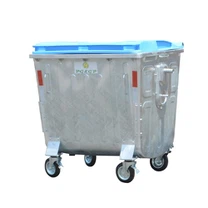
When choosing a waste container for homes or businesses, the material of the container plays a crucial role in determining its durability, functionality, and aesthetic appeal. Two popular materials used for waste containers are iron and aluminum. Both have distinct advantages and disadvantages, making it important to understand their differences before deciding which one is the best fit for your needs.
Iron waste containers are known for their robust strength. Iron is a dense, heavy material, which gives it a high level of sturdiness. Iron waste containers can withstand significant pressure and physical stress, making them ideal for environments where the container will experience heavy use or impact. However, iron is prone to rusting when exposed to moisture, which can significantly reduce its lifespan unless it is coated or regularly maintained.
In contrast, aluminum waste containers are more resistant to rust due to the metal's natural corrosion-resistant properties. Aluminum is lightweight yet durable, offering sufficient strength to endure daily wear and tear. While aluminum is less likely to rust, it can be more prone to dents and scratches, especially if the waste container is subjected to rough handling. Despite this, aluminum generally offers a longer-lasting option for environments exposed to moisture.
Iron waste containers are much heavier than aluminum ones. This added weight can be a disadvantage in terms of portability. Moving an iron waste container, especially when it's full, can be cumbersome and physically demanding. Iron containers are better suited for locations where they will stay in one place and not need frequent relocation.
Aluminum, on the other hand, is a lightweight material. Aluminum waste containers are much easier to move around, making them an excellent choice for areas that require regular transportation, such as commercial spaces or homes with multiple bins in different locations. Their lightness also makes them easier to empty, reducing the strain on users.
Iron waste containers typically have a more industrial or rustic look. While this can be appealing in certain settings, such as factories or outdoor spaces, it may not blend well with modern home décor. Additionally, the appearance of iron can degrade over time due to rust or oxidation, potentially diminishing its aesthetic value.
Aluminum waste containers, on the other hand, often have a sleek, polished appearance that suits modern and stylish settings. The shiny surface of aluminum gives it an appealing, high-end look that fits seamlessly in homes, offices, and even public spaces. Moreover, aluminum is less likely to show signs of aging, such as rust or corrosion, preserving its visual appeal for a longer period.
When it comes to cost, iron waste containers are typically more affordable than aluminum ones. The production process for iron is less expensive, making iron containers more budget-friendly. However, this lower cost comes with trade-offs in terms of maintenance and durability. Aluminum containers, while more expensive, offer greater longevity and less maintenance, which could make them a more economical option in the long run, especially in environments exposed to the elements.
Both iron and aluminum waste containers have their strengths and weaknesses. Iron containers are heavier, more durable under physical stress, and more affordable but are prone to rusting and require more maintenance. Aluminum containers, on the other hand, are lightweight, resistant to rust, and visually appealing but may be more susceptible to dents and scratches. Choosing between the two depends on factors such as budget, location, and the level of maintenance a user is willing to commit to. For those seeking a low-maintenance, long-lasting option, aluminum may be the best choice, while iron may be more suitable for areas where strength and cost are the primary considerations.