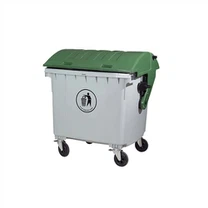
In Central Asia, the use of outdoor large garbage bins plays an essential role in maintaining public cleanliness and hygiene. These bins are commonly found in residential areas, markets, and public places. However, their popularity and effectiveness are influenced by several factors, including the materials used, their capacity, and the impact of local weather conditions. This paper explores these aspects to understand better the challenges and preferences related to outdoor garbage bins in Central Asia.
The choice of materials for outdoor garbage bins is crucial because it affects durability and maintenance. In Central Asia, the most common materials are plastic, metal, and concrete. Plastic bins are lightweight, easy to clean, and cost-effective. However, they are less durable under extreme temperatures and can crack or become brittle over time. Metal bins, especially those made of stainless steel, are strong and long-lasting. They can withstand harsh weather but are prone to rust if not properly coated. Concrete bins are highly durable and resistant to wind and vandalism, but they are heavy and difficult to move. The choice of material often depends on the location and expected usage.
The capacity of garbage bins affects their popularity among users. In crowded urban areas, large-capacity bins are preferred because they reduce the frequency of waste collection. In contrast, smaller bins are suitable for less populated regions. In Central Asia, bins with a capacity of 120 to 240 liters are commonly used in residential areas, while larger bins of 660 liters or more are found in commercial areas. Properly sized bins help prevent overflow and keep public spaces clean. However, if the bins are too large, they can become difficult to empty and maintain.
The weather in Central Asia varies greatly, with hot summers and cold winters. These extreme temperatures affect the durability and usability of garbage bins. In summer, high temperatures can cause plastic bins to warp or release unpleasant odors from the waste. Metal bins, on the other hand, can become very hot to touch, making them inconvenient for users. During winter, snow and ice can block access to garbage bins, making waste disposal difficult. Additionally, freezing temperatures can cause plastic bins to crack. To address these issues, some cities have started using insulated bins or placing them in sheltered areas.
The popularity of outdoor large garbage bins in Central Asia is influenced by their material, capacity, and the impact of weather conditions. Plastic bins are cost-effective but less durable, while metal and concrete bins offer more strength and stability. The capacity of bins should match the population density and usage patterns to avoid overflow or inconvenience. Weather conditions also play a significant role, affecting the durability and user experience. To improve waste management, city planners and local governments should consider these factors when selecting and placing garbage bins.