

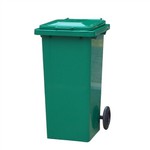

As a supplier of 770L industrial waste bins, I've witnessed firsthand the dynamic shifts in the waste management industry. The 770L industrial waste bin, a staple in commercial and industrial settings, is on the cusp of significant transformation. In this blog, I'll explore the future development trends of these essential waste management tools.
1. Technological Integration
One of the most prominent trends in the future of 770L industrial waste bins is the integration of advanced technologies. Smart waste management solutions are becoming increasingly popular, and 770L bins are no exception. These smart bins can be equipped with sensors that monitor the fill level of the bin in real - time. This data can be transmitted to a central management system, allowing waste management companies to optimize collection routes. For example, instead of collecting from all bins on a fixed schedule, they can focus on bins that are nearly full. This not only reduces collection costs but also minimizes the environmental impact associated with unnecessary trips.
Another technological advancement could be the use of RFID (Radio - Frequency Identification) tags. These tags can be attached to the 770L industrial waste bins, enabling easy tracking of each bin's location, usage history, and maintenance requirements. This helps in better inventory management and ensures that bins are properly maintained and replaced when necessary.
2. Sustainability and Environmental Considerations
Sustainability is at the forefront of the waste management industry, and 770L industrial waste bins will be designed with this in mind. In the future, we can expect these bins to be made from more environmentally friendly materials. For instance, the use of recycled plastics or biodegradable materials in bin manufacturing will become more common. This not only reduces the demand for virgin materials but also helps in reducing the overall carbon footprint of the waste management process.
Moreover, 770L industrial waste bins will be designed to support recycling initiatives more effectively. They may come with separate compartments for different types of waste, such as plastics, metals, and paper. This encourages proper waste sorting at the source, which is crucial for the success of recycling programs. By making it easier for users to sort their waste, we can increase the recycling rate and divert more waste from landfills.
3. Design and Ergonomics
The design of 770L industrial waste bins will also undergo significant changes in the future. Manufacturers will focus on creating bins that are more user - friendly and easier to handle. For example, the bins may be equipped with better - designed lids that are easier to open and close, reducing the risk of injury. They may also have improved wheels and handles, making it easier to move the heavy bins around industrial sites.
In addition, the overall shape and size of the 770L industrial waste bins may be optimized. They may be designed to fit more easily into standard waste collection vehicles, reducing the need for special handling equipment. This will streamline the waste collection process and improve efficiency.


4. Customization
As the needs of different industries vary widely, customization will become a key trend in the future of 770L industrial waste bins. Companies will be able to order bins with specific features and designs tailored to their requirements. For example, a food processing company may require a bin with a special lining to prevent leakage of liquids and odors. A manufacturing plant may need a bin with a larger opening for easy disposal of bulky waste.
Customization can also extend to the color and branding of the bins. Companies may choose to have their logo and colors printed on the bins, which can help in better identification and also serve as a form of marketing.
5. Regulatory Compliance
With increasing environmental regulations, 770L industrial waste bins will need to comply with a variety of standards. In the future, bins will be designed to meet stricter requirements regarding waste storage, transportation, and disposal. For example, they may need to be more resistant to corrosion and leakage to prevent environmental contamination.
Manufacturers will also need to ensure that the materials used in the bins are safe and do not pose any health risks to users. This will require continuous research and development to stay ahead of regulatory changes.
6. Market Expansion
The market for 770L industrial waste bins is expected to expand in the future. As more industries recognize the importance of proper waste management, the demand for these bins will increase. Emerging economies, in particular, are likely to see a significant growth in the adoption of 770L industrial waste bins as they develop their industrial sectors.
The growth of e - commerce and online shopping has also led to an increase in the amount of packaging waste. Industries related to logistics and warehousing will need more 770L industrial waste bins to manage this waste effectively.
Conclusion
The future of 770L industrial waste bins is full of exciting possibilities. With technological integration, sustainability, improved design, customization, regulatory compliance, and market expansion, these bins will play a crucial role in the future of waste management.
If you are interested in learning more about our 770L Industrial Waste Bin or 770L Wheels Garbage Bin offerings, we encourage you to contact us for procurement and further discussions. Our team is ready to assist you in finding the best waste management solutions for your business.
References
- "The Future of Waste Management: Trends and Technologies" - Waste Management Journal
- "Sustainable Waste Bin Design for Industrial Applications" - Environmental Science Research
- "Customization in the Industrial Waste Bin Market" - Market Research Report