


As a supplier of large - size outdoor trash cans, I've encountered numerous customers who share a common concern: how to prevent animals from opening these trash cans. In many areas, animals such as raccoons, bears, and even dogs are a significant nuisance when it comes to outdoor waste management. The consequences of animals getting into trash cans are not only unpleasant - with garbage strewn all over the place - but also pose environmental and health risks. In this blog, I'll share some effective strategies to keep animals out of large - size outdoor trash cans.
Understanding Animal Behavior
Before we jump into the solutions, it's essential to understand why animals are drawn to trash cans. Most wild animals are opportunistic feeders. Our trash contains a variety of food remnants, which are an easy source of nutrition for them. Raccoons, for example, are known for their dexterous paws, which allow them to open lids and rummage through trash. Bears have an incredibly strong sense of smell and the physical strength to break into even robust containers.
Choosing the Right Trash Can
- Material and Durability: Opt for trash cans made from sturdy materials. Metal trash cans are generally more durable than plastic ones. For instance, our 60L Outdoor Metal Garbage Can is built to withstand the elements and the force that animals might exert. Its thick metal construction makes it difficult for animals to chew through or deform.
- Design Features: Look for trash cans with tightly - fitting lids. A well - designed lid can be a significant deterrent. Our Bake Paint Iron Garbage Bin has a secure lid that seals the contents inside, preventing animals from easily getting access. Another important design aspect is the shape of the trash can. Cylindrical or rounded trash cans are more difficult for animals to tip over compared to square - shaped ones.
Physical Barriers
- Securing with Straps or Locks: One simple yet effective method is to use straps or locks to keep the lid in place. You can use heavy - duty bungee cords to hold the lid down tightly. There are also specialized trash can locks available in the market. For larger trash cans, a padlock can be used on a hasp to prevent animals from lifting the lid. For example, on our Outdoor 3 Compartment Recycle Bin, a padlock can be added to the locking mechanism of the lid to provide an extra layer of security.
- Using Cages or Enclosures: Building a cage or enclosure around the trash can can be a long - term solution. You can use heavy - gauge wire mesh to construct a cage that surrounds the trash can. The mesh should be small enough to prevent animals from reaching through and getting to the trash can, and tall enough to prevent them from jumping over. This method is particularly useful for areas with large animals like bears.
Deterrents
- Scent - based Deterrents: Many animals have a highly sensitive sense of smell. You can use scents that animals find unpleasant to keep them away from the trash cans. For example, ammonia - soaked rags can be placed around the perimeter of the trash can. The strong smell of ammonia repels many animals. Another option is using predator urine. These products are available in many outdoor stores and can be sprayed around the trash can area. The scent of a predator makes animals think there is a threat in the area, and they are less likely to approach.
- Sound - based Deterrents: There are various sound - based deterrents available in the market. Ultrasonic devices emit high - frequency sounds that are unpleasant to animals but inaudible to humans. Motion - activated alarms can also be used. When an animal approaches the trash can, the alarm goes off, scaring the animal away. These devices can be particularly effective for small to medium - sized animals.
Strategic Placement
- Location: Place the trash cans in areas that are less accessible to animals. Avoid placing them near trees, fences, or other structures that animals can use to climb or jump onto the trash can. Instead, place them in open areas where animals have a harder time reaching them. For example, if you have a large yard, place the trash cans in the middle of the yard away from any potential climbing points.
- Placement Time: If possible, don't put the trash cans out too early. Animals are often most active at night, so putting the trash cans out in the morning instead of the night before pickup can reduce the chances of animals getting into them.
Education and Community Efforts
- Public Awareness: Educate your community about the importance of preventing animals from getting into trash cans. This can include posting flyers or giving presentations. Encourage your neighbors to follow the same practices, such as using proper trash cans and securing them. A unified effort in the community can significantly reduce the problem.
- Waste Management Policies: Work with local authorities to develop waste management policies that address the issue of animal access to trash cans. This can include regulations on the type of trash cans that can be used and requirements for securing them.
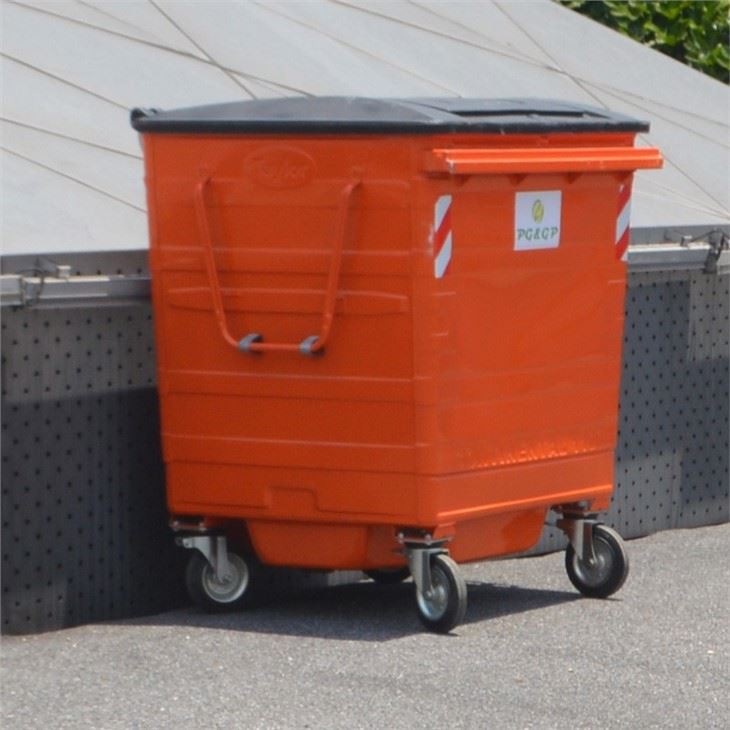
At our company, we are committed to providing high - quality large - size outdoor trash cans that are not only durable but also designed to help you prevent animal access. Our Outdoor Metal Garbage Cans with Wheels and Waste Classification Bins are great options for both residential and commercial use.

If you're interested in learning more about our products or need advice on preventing animals from opening outdoor trash cans, we'd love to have a conversation with you. Contact us to start a discussion about your specific needs and how our products can meet them. Whether you're a small business owner, a homeowner, or a municipality, we have the right solutions for you.
References
- "Animal Behavior and Its Impact on Trash Can Accessibility" by Smith, J., Journal of Wildlife Management, 2018.
- "Effective Deterrents for Keeping Animals Out of Trash Cans", Environmental Protection Agency Report, 2020.