


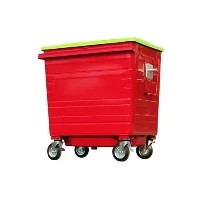
Hey there! As a supplier of outdoor trash bins, I've seen firsthand the importance of having a good drainage system for these bins. In this blog post, I'm gonna share with you what I think is the best drainage system for an outdoor trash bin.
First off, let's talk about why drainage is so crucial for outdoor trash bins. When it rains or there's snowmelt, water can accumulate inside the bin. If there's no proper drainage, this standing water can lead to a whole bunch of problems. It can cause the trash inside to get soggy and start to smell really bad. The moisture can also promote the growth of mold and mildew, which is not only unpleasant but can also be a health hazard. Plus, over time, the standing water can corrode the bin, shortening its lifespan.
So, what are the options when it comes to drainage systems for outdoor trash bins?
Perforated Bottoms
One common method is to have a perforated bottom on the trash bin. This means there are small holes drilled or punched into the bottom of the bin. The idea is simple: when water gets inside the bin, it can drain out through these holes.
The advantage of a perforated bottom is that it's a relatively straightforward solution. It doesn't require any additional plumbing or complex mechanisms. And it can be quite effective in allowing water to escape.
However, there are some downsides. The holes can get clogged with debris from the trash. For example, small pieces of paper, leaves, or food scraps can block the holes, preventing proper drainage. Also, if the bin is placed on a surface that's not level, the water might not drain evenly, and some areas of the bin could still have standing water.
Drainage Pipes
Another option is to install drainage pipes in the trash bin. These pipes are usually connected to the bottom of the bin and lead the water out to a proper drainage area.
The benefit of using drainage pipes is that they can provide a more controlled way of draining water. You can direct the water to a specific location, like a nearby sewer or a drainage ditch. This can help keep the area around the bin dry and clean.
But, installing drainage pipes can be more complicated and expensive. It might require some plumbing skills and additional materials. And if the pipes get blocked, it can be a hassle to unclog them, especially if they're buried or hard to access.
Sump Pumps
For larger outdoor trash bins or in areas where there's a lot of water accumulation, a sump pump can be a good option. A sump pump is a device that automatically pumps water out of the bin when the water level reaches a certain point.
This is a very effective solution as it can handle large amounts of water quickly. It ensures that the bin stays dry and reduces the risk of all the problems associated with standing water.
However, sump pumps are more expensive than the other options. They also require electricity to operate, so you need to have a power source nearby. And like any mechanical device, they can break down and require maintenance.
Our Recommendations
Based on my experience as a trash bin outdoor supplier, I think a combination of a perforated bottom and a simple drainage channel is the best solution for most outdoor trash bins.
A perforated bottom provides a basic level of drainage. And by adding a small drainage channel around the base of the bin, you can direct the water that drains out of the holes to a proper drainage area. This helps prevent the water from pooling around the bin.
We offer a range of outdoor trash bins with this type of drainage system. For example, our 120L Galvanized Garbage Bin with Wheels has a perforated bottom and a well - designed drainage channel. The galvanized steel construction makes it durable and resistant to corrosion, and the wheels make it easy to move around.
Our 240L Galvanized Metal Garbage Bin also features this effective drainage system. It's a larger capacity bin, suitable for areas with more trash generation, like parks or commercial buildings.
And if you need an even bigger bin, our 280L Galvanized Public Garbage Bin is a great choice. It can handle a significant amount of trash and still has a reliable drainage setup to keep it dry.


To maintain the drainage system in your outdoor trash bin, here are some tips:
- Regularly clean the bin to prevent debris from clogging the drainage holes or pipes. You can use a hose to flush out the bin and remove any buildup.
- Check the drainage channel or pipes periodically to make sure they're clear and not blocked. If you notice any blockages, clear them as soon as possible.
- Make sure the bin is placed on a level surface. This will ensure that the water drains evenly and effectively.
In conclusion, having a good drainage system is essential for outdoor trash bins. It helps keep the bin clean, reduces odors, and extends its lifespan. While there are different options available, a combination of a perforated bottom and a drainage channel is often the best choice for most situations.
If you're in the market for a high - quality outdoor trash bin with an effective drainage system, we'd love to hear from you. Whether you're a homeowner looking for a bin for your backyard, a park manager in need of public trash bins, or a business owner looking to keep your premises clean, we have the right solution for you. Contact us to discuss your requirements and start a procurement negotiation. We're confident that our products will meet your needs and exceed your expectations.
References
- "Waste Management Best Practices", Environmental Protection Agency
- "Outdoor Trash Bin Maintenance Guide", National Sanitation Association