


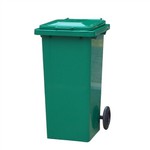
When it comes to outdoor public garbage bins, colors play a crucial role not only in aesthetics but also in functionality and environmental awareness. As a supplier of outdoor public garbage bins, I've witnessed firsthand how the choice of color can impact their usage and effectiveness in public spaces. In this blog, I'll delve into the various colors of outdoor public garbage bins, their significance, and how they contribute to a cleaner and more organized environment.
Common Colors of Outdoor Public Garbage Bins
Green
Green is one of the most commonly used colors for outdoor public garbage bins, especially for recycling. It is widely associated with nature, freshness, and environmental friendliness. Green bins are typically used for collecting organic waste, such as food scraps, yard trimmings, and other biodegradable materials. In many municipalities, green bins are part of a composting program, where the collected organic waste is processed into nutrient - rich compost.
For instance, in some European cities, green bins are used to collect garden waste like leaves and grass clippings. This helps in reducing the amount of waste sent to landfills and promotes sustainable waste management practices. Our 240L Outdoor Galvanized Garbage Bin is available in a vibrant green color, which is not only visually appealing but also highly durable for outdoor use.
Blue
Blue is another popular color for outdoor public garbage bins, and it is mainly used for recycling paper, cardboard, and sometimes plastics. The color blue is often associated with cleanliness and reliability, making it an ideal choice for bins dedicated to recyclable materials. Recycling blue bins encourage the public to separate their waste and contribute to the conservation of natural resources.
In North America, blue bins are a common sight in residential and commercial areas. They help in diverting a significant amount of paper and cardboard from landfills, which can then be recycled into new products. Our 240L Galvanized Metal Garbage Bin in blue color is a great option for municipalities and businesses looking to promote recycling in public spaces.
Black
Black outdoor public garbage bins are typically used for general waste. This includes non - recyclable and non - organic waste, such as plastic packaging, disposable diapers, and other items that cannot be composted or recycled. The color black gives a sense of formality and can be used to clearly distinguish general waste from other types of waste.
Black bins are often used in high - traffic areas like parks, shopping centers, and streets. They are designed to hold a large volume of waste and are usually made of sturdy materials to withstand the rigors of outdoor use. Our 120L Galvanized Garbage Bin with Wheels in black is a practical choice for easy waste collection and transportation.
Yellow
Yellow outdoor public garbage bins are commonly used for collecting hazardous waste. Hazardous waste includes items such as batteries, fluorescent bulbs, and chemicals. The bright yellow color is used to alert the public to the potentially dangerous nature of the waste inside the bin.
This color coding helps in ensuring that hazardous waste is properly separated and disposed of, reducing the risk of environmental contamination and health hazards. In some industrial areas or areas with a high concentration of electronic waste, yellow bins are an essential part of waste management infrastructure.
The Significance of Color Coding
Color coding of outdoor public garbage bins serves several important purposes. Firstly, it simplifies the waste sorting process for the public. By using distinct colors for different types of waste, people can easily identify which bin to use for their specific waste items. This reduces the likelihood of incorrect waste disposal, which can lead to contamination of recyclable materials and inefficiencies in the waste management system.
Secondly, color coding helps in promoting environmental awareness. When people see the different colors of the bins, they are reminded of the importance of recycling, composting, and proper waste disposal. It serves as a visual cue to encourage sustainable behavior and a sense of responsibility towards the environment.
Finally, color coding is beneficial for waste collection and processing facilities. It allows waste collectors to quickly identify the type of waste in each bin, which streamlines the collection process and ensures that the waste is transported to the appropriate processing facilities.
Custom Colors and Branding
In addition to the standard colors mentioned above, many municipalities and businesses also opt for custom colors or branding on their outdoor public garbage bins. Custom colors can be used to match the local branding or to create a unique identity for a particular area. For example, a city might choose to use its official colors on the garbage bins to enhance the sense of place and community.
Branding on garbage bins can also include logos, slogans, or educational messages. This can be an effective way to promote waste management initiatives, raise awareness about environmental issues, and engage the public. As a supplier, we offer customization options for our outdoor public garbage bins, allowing our clients to create bins that meet their specific needs and branding requirements.
Factors Affecting Color Choice
Several factors influence the choice of color for outdoor public garbage bins. One of the main factors is local waste management policies. Different municipalities have different waste sorting and recycling systems, and the colors of the bins are often determined by these policies. For example, in some areas, the color coding for recycling might be different from the standard blue and green, depending on the types of materials being recycled.


Another factor is the visibility and durability of the color. Outdoor public garbage bins are exposed to various weather conditions, including sunlight, rain, and snow. Therefore, the color should be able to withstand these elements without fading or peeling. High - quality paints and coatings are used to ensure the longevity of the color on the bins.
The location of the bins also plays a role in color choice. In areas with high foot traffic or in areas that are visually prominent, bright and eye - catching colors might be more appropriate to attract attention and encourage proper waste disposal. In contrast, in more secluded or natural areas, more muted or earth - toned colors might be preferred to blend in with the surroundings.
Conclusion
The colors of outdoor public garbage bins are not just a matter of aesthetics; they are an important part of waste management and environmental conservation. Green, blue, black, and yellow are the most common colors used for different types of waste, each with its own significance and purpose. Color coding simplifies waste sorting, promotes environmental awareness, and improves the efficiency of waste collection and processing.
As a supplier of outdoor public garbage bins, we understand the importance of providing high - quality bins in a variety of colors to meet the diverse needs of our clients. Whether you are a municipality looking to improve waste management in your city or a business wanting to promote sustainability in your area, we have the right solutions for you.
If you are interested in purchasing outdoor public garbage bins or have any questions about our products, please feel free to contact us. We are ready to discuss your specific requirements and provide you with the best solutions for your waste management needs.
References
- Smith, J. (2020). Waste Management and Recycling: Best Practices. Environmental Science Journal, 15(2), 45 - 56.
- Johnson, A. (2019). The Role of Color Coding in Waste Disposal. Urban Planning Review, 22(3), 78 - 89.
- Brown, C. (2021). Sustainable Waste Management Strategies for Public Spaces. International Journal of Environmental Studies, 30(1), 12 - 25.