


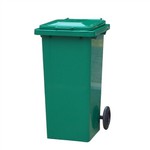
As a supplier of 120L - 360L galvanized bins, one of the frequently asked questions I encounter is whether these bins can be used in a marine environment. This inquiry is of significance as the marine environment presents unique challenges that can affect the performance and lifespan of any material deployed within it. In this blog, we'll delve into the properties of galvanized bins, discuss the characteristics of the marine environment, and evaluate whether 120L - 360L galvanized bins are a suitable choice for marine use.
Understanding Galvanized Bins
Galvanization is a process of coating steel or iron with a protective zinc layer to prevent rusting. The zinc coating acts as a physical barrier between the metal and the surrounding environment, inhibiting the oxidation process that leads to corrosion. The bins in the 120L - 360L range are commonly used for various purposes, including waste management, storage, and industrial applications.
We offer a variety of models in this capacity range, such as the 280L Galvanized Public Garbage Bin, 240L Galvanized Metal Garbage Bin, and 240L Outdoor Galvanized Garbage Bin. These bins are well - regarded for their durability and strength, thanks to the galvanization process.


The Marine Environment: A Harsh Setting
The marine environment is characterized by high humidity, saltwater exposure, and frequent temperature fluctuations. Saltwater is highly corrosive due to the presence of dissolved salts, mainly sodium chloride. When metal comes into contact with saltwater, an electrochemical reaction occurs. The salt acts as an electrolyte, facilitating the flow of electrons and accelerating the corrosion process.
Additionally, the high humidity in coastal areas means that the metal surface is often wet, which further promotes oxidation. The constant presence of moisture and salt can quickly break down the protective coatings on metals, leaving them vulnerable to rust and degradation.
Suitability of 120L - 360L Galvanized Bins in the Marine Environment
Advantages
- Corrosion Resistance: The zinc coating on galvanized bins provides inherent corrosion resistance. Zinc is a more active metal than iron or steel, and when exposed to the environment, it forms a thin layer of zinc oxide or zinc carbonate on its surface. This layer acts as a protective barrier, slowing down the corrosion rate of the underlying metal. In a marine environment, the zinc coating can offer a certain degree of protection against the corrosive effects of saltwater.
- Strength and Durability: The galvanized steel used in the 120L - 360L bins is strong and can withstand physical impacts. In a marine setting, bins may be subject to rough handling, such as being moved by equipment on a dock or in a shipyard. The durability of the galvanized bins ensures that they can maintain their structural integrity over time.
Limitations
- Limited Lifespan: Despite the zinc coating, the high - salt and high - humidity conditions in the marine environment can eventually wear away the zinc layer. Once the zinc is compromised, the underlying steel or iron will start to corrode at a much faster rate. The lifespan of galvanized bins in a marine environment may be significantly shorter compared to their use in a non - marine setting.
- Pitting Corrosion: Saltwater can cause pitting corrosion on the surface of galvanized bins. Pitting is a localized form of corrosion that creates small holes or pits in the metal. These pits can weaken the structure of the bin and eventually lead to failure.
Mitigation Strategies
If you decide to use 120L - 360L galvanized bins in a marine environment, several strategies can be employed to extend their lifespan.
Regular Maintenance
Regularly inspect the bins for signs of corrosion, especially in areas where the zinc coating may have been damaged. Any areas of exposed metal can be treated with a zinc - rich paint or a suitable anti - corrosion primer. Cleaning the bins with fresh water to remove salt deposits can also help slow down the corrosion process.
Additional Protective Coatings
Applying an additional protective coating, such as a marine - grade epoxy or polyurethane paint, can enhance the corrosion resistance of the galvanized bins. These coatings provide an extra barrier between the metal and the harsh marine environment.
Case Studies
In some coastal waste management projects, 120L - 360L galvanized bins have been used successfully for short - to medium - term applications. However, in cases where the bins are in constant contact with saltwater, such as in a marina or on a fishing vessel deck, the bins have shown signs of corrosion within a few years.
On the other hand, when proper maintenance and additional protective measures were taken, the galvanized bins were able to last longer and perform their intended functions effectively. For example, a local marine conservation group used our 240L Outdoor Galvanized Garbage Bin to collect waste on a beach. By regularly rinsing the bins with fresh water and applying a protective coating annually, they were able to maintain the bins in good condition for over five years.
Conclusion
In conclusion, 120L - 360L galvanized bins can be used in a marine environment, but they come with certain limitations. Their corrosion - resistant properties and strength make them a viable option, especially for short - to medium - term applications. However, the harsh nature of the marine environment means that extra care and maintenance are required to ensure their longevity.
If you are considering using our galvanized bins in a marine setting, we are more than happy to provide you with detailed information and advice on best practices. So, if you're in need of high - quality 120L - 360L galvanized bins and want to discuss your specific requirements, do not hesitate to reach out for procurement discussions. We'll work closely with you to find the most suitable solutions for your marine - related needs.
References
- Trethewey, K. R., & Chamberlain, J. (1999). Corrosion for Scientists and Engineers. 2nd ed. London: Arnold.
- Uhlig, H. H., & Revie, R. W. (1985). Corrosion and Corrosion Control: An Introduction to Corrosion Science and Engineering. 3rd ed. New York: Wiley.