


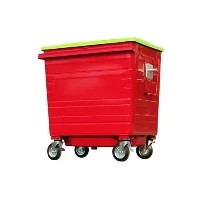
Hey there! I'm a supplier of outdoor metal garbage cans, and I often get asked about the best ways to transport these hefty bins. It's not as simple as just tossing them in the back of a truck. There are a bunch of factors to consider, like the size of the cans, the distance of the transport, and the equipment you've got on hand. In this blog, I'll share some tips and tricks on how to transport outdoor metal garbage cans safely and efficiently.
First off, let's talk about the types of outdoor metal garbage cans we're dealing with. We've got the Outdoor Metal Trash Can with Locking Lid, which is great for keeping critters out and securing the contents. Then there's the Bake Paint Iron Garbage Bin, which is durable and has a nice finish. And for those looking to promote waste management, the Waste Classification Bins are a great option. Each type has its own unique features, but they all require careful handling during transport.
Pre - transport Preparation
Before you even think about loading the garbage cans onto a vehicle, you need to do some prep work.
Inspection
Check the garbage cans for any signs of damage. Look for dents, cracks, or loose parts. If you find any issues, it's best to fix them before transport. A damaged can could pose a safety risk during transit and might not function properly once it reaches its destination.
Cleaning
It's a good idea to clean the garbage cans before transport. Remove any debris, dirt, or leftover waste. This not only makes the cans more presentable but also reduces the risk of unpleasant odors spreading during transport.
Securing Loose Parts
If the cans have lids, wheels, or other detachable parts, make sure they are securely attached. You don't want these parts falling off during the journey. You can use zip - ties or straps to keep everything in place.
Choosing the Right Vehicle
The type of vehicle you use for transport depends on the number and size of the garbage cans.
Smaller Quantities
If you're only transporting a few small to medium - sized cans, a pickup truck or a van might be sufficient. These vehicles are easy to maneuver and can get to most locations. Make sure the bed of the truck or the interior of the van is clean and free of any sharp objects that could damage the cans.
Larger Quantities
For transporting a large number of garbage cans, a flatbed truck or a semi - trailer might be necessary. These vehicles have more space and can handle heavier loads. However, they require more skill to operate, and you need to ensure that the cans are properly loaded and secured.
Loading the Garbage Cans
Loading the cans onto the vehicle is a crucial step. You want to make sure they are loaded in a way that maximizes space and minimizes the risk of damage.
Stacking
If possible, stack the cans. However, be careful not to stack them too high, as this could make the load unstable. You can stack smaller cans on top of larger ones, but make sure the bottom cans are strong enough to support the weight. Use padding between the cans to prevent scratching and dents.
Arrangement
Arrange the cans in an orderly manner. Try to distribute the weight evenly across the vehicle. This will help with the stability of the load and the handling of the vehicle. For example, if you're using a pickup truck, place the heavier cans closer to the cab to balance the weight.
Securing the Load
Once the cans are loaded, you need to secure them. You can use ropes, straps, or chains to tie down the cans. Make sure the ties are tight and that the cans can't move around during transport. Check the ties periodically during the journey to ensure they haven't loosened.
During Transport
During the journey, there are a few things you need to keep in mind.
Driving Conditions
Drive carefully and avoid sudden stops, starts, or turns. These actions can cause the cans to shift and potentially fall off the vehicle. Pay attention to the road conditions, especially if it's wet or slippery.
Monitoring the Load
Check the load regularly, especially if you're on a long - distance journey. Make sure the cans are still secure and that there are no signs of damage. If you notice any issues, pull over safely and make the necessary adjustments.
Unloading the Garbage Cans
When you reach your destination, it's time to unload the cans.
Be Gentle
Unload the cans gently to avoid damage. If the cans are heavy, use a forklift or a loading dock to make the process easier.
Placement
Place the cans in their intended location. Make sure they are level and stable. If they have wheels, position them so that they can be easily moved if needed.
Post - transport Follow - up
After the cans are unloaded, it's a good idea to do a final inspection. Check for any damage that might have occurred during transport. If you find any issues, address them immediately.


If you're interested in purchasing outdoor metal garbage cans for your business or project, I'd love to talk to you. Whether you need a single can or a large order, we've got you covered. Feel free to reach out to discuss your requirements and get a quote.
References
- "Transportation Safety Guidelines for Heavy Loads", Department of Transportation
- "Best Practices for Loading and Securing Cargo", Cargo Transport Association