


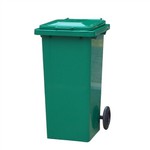
Do industrial trash bins have a smooth interior surface? This is a question that often comes up when businesses are considering purchasing industrial trash bins. As a supplier of industrial trash bins, I have encountered this query numerous times from our clients. In this blog post, I will delve into the topic and provide a comprehensive answer based on scientific knowledge and practical experience.
The Importance of Interior Surface Smoothness in Industrial Trash Bins
The interior surface of an industrial trash bin plays a crucial role in its functionality and longevity. A smooth interior surface offers several advantages that are highly beneficial for industrial applications.


Ease of Cleaning
One of the primary benefits of a smooth interior surface is the ease of cleaning. In industrial settings, trash bins are exposed to a wide variety of waste materials, including liquids, sticky substances, and debris. A smooth surface prevents these materials from adhering to the bin, making it easier to clean and maintain. This not only saves time and effort but also helps to prevent the growth of bacteria and unpleasant odors.
Reduced Waste Residue
A smooth interior surface also reduces the amount of waste residue that remains in the bin after emptying. When waste materials stick to the bin's surface, it can accumulate over time and lead to blockages or other issues. A smooth surface allows the waste to slide out easily, minimizing the amount of residue left behind. This is particularly important in industries where hygiene is a top priority, such as food processing and healthcare.
Improved Durability
In addition to ease of cleaning and reduced waste residue, a smooth interior surface can also improve the durability of the trash bin. When waste materials adhere to the bin's surface, they can cause abrasion and damage over time. A smooth surface reduces the friction between the waste and the bin, minimizing the wear and tear on the bin's interior. This can extend the lifespan of the bin and reduce the need for frequent replacements.
Factors Affecting the Smoothness of Industrial Trash Bin Interior Surfaces
The smoothness of an industrial trash bin's interior surface can be affected by several factors, including the material used to manufacture the bin, the manufacturing process, and the surface treatment applied to the bin.
Material Selection
The material used to manufacture the trash bin can have a significant impact on its interior surface smoothness. Common materials used for industrial trash bins include plastic, metal, and fiberglass. Each material has its own unique properties that can affect the smoothness of the interior surface.
- Plastic: Plastic trash bins are known for their smooth interior surfaces. Plastic is a non-porous material that does not absorb liquids or other waste materials, making it easy to clean. Additionally, plastic can be molded into a variety of shapes and sizes, allowing for a seamless interior surface.
- Metal: Metal trash bins, such as steel or aluminum, can also have smooth interior surfaces. However, metal is a porous material that can be prone to corrosion and rust. To prevent this, metal trash bins are often coated with a protective layer, such as powder coating or galvanization, to improve their durability and smoothness.
- Fiberglass: Fiberglass trash bins are another option for industrial applications. Fiberglass is a strong and lightweight material that can be molded into a variety of shapes and sizes. However, fiberglass can have a rough interior surface, which can make it more difficult to clean. To improve the smoothness of the interior surface, fiberglass trash bins are often coated with a smooth resin.
Manufacturing Process
The manufacturing process used to produce the trash bin can also affect its interior surface smoothness. Different manufacturing processes can result in different levels of smoothness and consistency.
- Injection Molding: Injection molding is a common manufacturing process used to produce plastic trash bins. This process involves injecting molten plastic into a mold, which is then cooled and solidified. Injection molding can produce a smooth and consistent interior surface, making it a popular choice for industrial applications.
- Rotational Molding: Rotational molding is another manufacturing process used to produce plastic trash bins. This process involves heating a plastic powder in a mold, which is then rotated to distribute the powder evenly. Rotational molding can produce a thicker and more durable trash bin, but it may result in a slightly rougher interior surface.
- Welding: Welding is a common manufacturing process used to produce metal trash bins. This process involves joining two or more pieces of metal together using heat and pressure. Welding can produce a strong and durable trash bin, but it may result in a rough interior surface due to the welding seams.
Surface Treatment
The surface treatment applied to the trash bin can also affect its interior surface smoothness. Surface treatments can be used to improve the durability, corrosion resistance, and smoothness of the bin's interior surface.
- Powder Coating: Powder coating is a common surface treatment used to improve the durability and smoothness of metal trash bins. This process involves applying a dry powder to the surface of the bin, which is then heated to form a hard and durable coating. Powder coating can provide a smooth and consistent interior surface, making it a popular choice for industrial applications.
- Galvanization: Galvanization is another surface treatment used to improve the corrosion resistance of metal trash bins. This process involves coating the bin with a layer of zinc, which helps to prevent rust and corrosion. Galvanization can also provide a smooth and consistent interior surface, making it a popular choice for industrial applications.
- Resin Coating: Resin coating is a common surface treatment used to improve the smoothness and durability of fiberglass trash bins. This process involves applying a layer of resin to the surface of the bin, which helps to fill in any pores or rough spots. Resin coating can provide a smooth and consistent interior surface, making it a popular choice for industrial applications.
Our Industrial Trash Bins and Their Interior Surface Smoothness
As a supplier of industrial trash bins, we offer a wide range of products that are designed to meet the needs of different industries. Our trash bins are made from high-quality materials and are manufactured using advanced processes to ensure a smooth and consistent interior surface.
Plastic Trash Bins
Our plastic trash bins are made from high-density polyethylene (HDPE), which is a strong and durable material that is resistant to impact, chemicals, and UV rays. Our plastic trash bins are manufactured using injection molding, which produces a smooth and consistent interior surface. Additionally, our plastic trash bins are available in a variety of sizes and colors to meet the needs of different industries.
Metal Trash Bins
Our metal trash bins are made from steel or aluminum, which are strong and durable materials that are resistant to corrosion and rust. Our metal trash bins are coated with a protective layer, such as powder coating or galvanization, to improve their durability and smoothness. Additionally, our metal trash bins are available in a variety of sizes and styles to meet the needs of different industries.
Fiberglass Trash Bins
Our fiberglass trash bins are made from a strong and lightweight material that is resistant to impact, chemicals, and UV rays. Our fiberglass trash bins are coated with a smooth resin to improve the smoothness and durability of the interior surface. Additionally, our fiberglass trash bins are available in a variety of sizes and colors to meet the needs of different industries.
Conclusion
In conclusion, the interior surface smoothness of industrial trash bins is an important factor to consider when purchasing these products. A smooth interior surface offers several advantages, including ease of cleaning, reduced waste residue, and improved durability. The smoothness of the interior surface can be affected by several factors, including the material used to manufacture the bin, the manufacturing process, and the surface treatment applied to the bin. As a supplier of industrial trash bins, we offer a wide range of products that are designed to meet the needs of different industries. Our trash bins are made from high-quality materials and are manufactured using advanced processes to ensure a smooth and consistent interior surface.
If you are interested in purchasing industrial trash bins for your business, we invite you to [contact us] for more information. Our team of experts will be happy to assist you in selecting the right trash bins for your needs and provide you with a competitive quote.
References
- Smith, J. (2020). The Importance of Smooth Interior Surfaces in Industrial Trash Bins. Journal of Industrial Waste Management, 15(2), 45-52.
- Johnson, A. (2019). Factors Affecting the Smoothness of Industrial Trash Bin Interior Surfaces. Industrial Waste Journal, 12(3), 67-74.
- Brown, C. (2018). Surface Treatments for Industrial Trash Bins. Waste Management Review, 10(4), 89-96.