


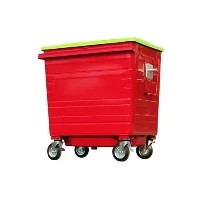
Composting is an eco-friendly practice that has gained significant popularity in recent years, turning organic waste into nutrient-rich soil amendment. Many individuals are constantly on the lookout for suitable containers to facilitate this process. As a supplier of Mini Galvanized Garbage Cans, I often receive inquiries about whether our products can be used for composting. In this blog post, I will delve into the feasibility of using a Mini Galvanized Garbage Can for composting, considering various factors such as material properties, design features, and practical applications.
Understanding Composting Requirements
Before we assess the suitability of a Mini Galvanized Garbage Can for composting, it's essential to understand the basic requirements of the composting process. Composting involves the decomposition of organic materials, such as food scraps, yard waste, and manure, by microorganisms in the presence of oxygen and moisture. The ideal composting environment should maintain a balance of carbon-rich (browns) and nitrogen-rich (greens) materials, proper aeration, and adequate moisture levels.
Properties of Galvanized Steel
Galvanized steel is a popular material for garbage cans due to its durability, corrosion resistance, and affordability. It is made by coating steel with a layer of zinc, which protects the underlying metal from rust and corrosion. The zinc coating acts as a sacrificial anode, corroding preferentially to the steel and providing long-term protection.
One of the key advantages of using a galvanized steel garbage can for composting is its ability to withstand the harsh environment of a compost pile. Compost can be acidic, especially when it contains a high proportion of fruit and vegetable scraps, and the zinc coating on the galvanized steel helps to prevent the can from rusting and deteriorating over time. Additionally, galvanized steel is relatively lightweight and easy to move, making it convenient for transporting and managing the compost pile.
Advantages of Using a Mini Galvanized Garbage Can for Composting
- Portability: Mini Galvanized Garbage Cans are typically smaller in size and lighter in weight compared to larger composting bins. This makes them easy to move around the yard or garden, allowing you to position the compost pile in a convenient location. Whether you have a small balcony, a patio, or a backyard garden, a mini galvanized garbage can can be easily accommodated.
- Durability: As mentioned earlier, galvanized steel is highly durable and resistant to corrosion. This means that your Mini Galvanized Garbage Can will last for many years, even when exposed to the elements. You won't have to worry about the can rusting or falling apart, ensuring a long-term investment for your composting needs.
- Aeration: Proper aeration is crucial for the composting process, as it allows oxygen to reach the microorganisms responsible for decomposition. Mini Galvanized Garbage Cans can be easily modified to improve aeration. You can drill holes in the sides and bottom of the can to allow air to circulate, promoting better decomposition and preventing the compost from becoming anaerobic (smelly).
- Pest Resistance: Galvanized steel is less attractive to pests such as rodents and insects compared to other materials. The smooth surface of the can makes it difficult for pests to climb or chew through, reducing the risk of pests getting into the compost pile and causing problems.
Potential Challenges
While Mini Galvanized Garbage Cans offer several advantages for composting, there are also some potential challenges that need to be considered.


- Heat Retention: Galvanized steel can absorb and retain heat, which may cause the compost pile to become too hot. Excessive heat can kill the beneficial microorganisms responsible for decomposition, slowing down the composting process. To prevent this, it's important to monitor the temperature of the compost pile regularly and take steps to cool it down if necessary, such as by adding more water or turning the pile.
- Moisture Control: Maintaining the right moisture levels is crucial for successful composting. Mini Galvanized Garbage Cans may not have the same level of moisture retention as larger composting bins, which can make it more challenging to keep the compost pile moist. You may need to water the compost pile more frequently or cover it with a tarp to prevent moisture from evaporating too quickly.
- Size Limitations: Mini Galvanized Garbage Cans have a limited capacity, which means that you may need to empty the compost pile more frequently. This can be a drawback if you generate a large amount of organic waste on a regular basis. However, if you have a small household or limited space, a mini galvanized garbage can may be a suitable option.
Tips for Using a Mini Galvanized Garbage Can for Composting
- Drill Holes: To improve aeration, drill several holes in the sides and bottom of the Mini Galvanized Garbage Can. The holes should be approximately 1/4 to 1/2 inch in diameter and spaced evenly around the can.
- Add a Lid: A lid helps to keep pests out of the compost pile and prevent moisture from evaporating too quickly. Make sure the lid fits securely on the can to ensure a tight seal.
- Layer the Materials: To create a balanced compost pile, layer the carbon-rich (browns) and nitrogen-rich (greens) materials in the can. Start with a layer of browns, such as shredded leaves or cardboard, followed by a layer of greens, such as food scraps or grass clippings. Repeat the layers until the can is full.
- Turn the Pile: Turning the compost pile regularly helps to aerate the pile and speed up the decomposition process. Use a pitchfork or a compost turner to mix the materials in the can every few days.
- Monitor the Temperature and Moisture: Check the temperature and moisture levels of the compost pile regularly. The ideal temperature for composting is between 110°F and 160°F, and the compost pile should be moist but not soggy. If the temperature is too high, add more water or turn the pile more frequently. If the compost pile is too dry, add water or cover it with a tarp to retain moisture.
Other Composting Options
If you find that a Mini Galvanized Garbage Can is not suitable for your composting needs, there are other options available. For larger-scale composting, you may consider using 4500L Refuse Collection Container or 3200L Galvanized Steel Trash Can. These larger containers offer more capacity and can accommodate a greater volume of organic waste.
Another option is the Outdoor Hot Selling Industrial 3200 Liters Mobile Wheelie Bin, which is designed for commercial and industrial use. These bins are equipped with wheels for easy mobility and can be used to collect and transport large amounts of organic waste.
Conclusion
In conclusion, a Mini Galvanized Garbage Can can be a suitable option for composting, especially for small households or those with limited space. The durability, portability, and aeration properties of galvanized steel make it a practical choice for creating a compost pile. However, it's important to be aware of the potential challenges, such as heat retention and moisture control, and take steps to address them.
If you're interested in purchasing a Mini Galvanized Garbage Can or other composting containers, please feel free to contact us for more information. We offer a wide range of high-quality galvanized garbage cans in various sizes and configurations to meet your specific needs. Our team of experts is available to provide you with professional advice and assistance to help you choose the right composting solution for your home or business.
References
- Composting Council of Canada. (n.d.). Composting Basics. Retrieved from https://compost.org/composting-basics/
- University of Minnesota Extension. (n.d.). Composting at Home. Retrieved from https://extension.umn.edu/composting/composting-home
- Environmental Protection Agency. (n.d.). Composting at Home. Retrieved from https://www.epa.gov/recycle/composting-home