
Chemically reactive substances such as laboratory acids (pH <2) and sodium hydroxide solutions (pH >12) demand containers resistant to molecular degradation. Biohazards like blood-contaminated materials require puncture-resistant, seamless designs to eliminate pathogen-harboring crevices. Flammable liquids (e.g., acetone with flash points below 60°C/140°F) necessitate non-sparking materials to prevent ignition, while heavy metals like mercury require impermeable barriers to block microscopic leaching.
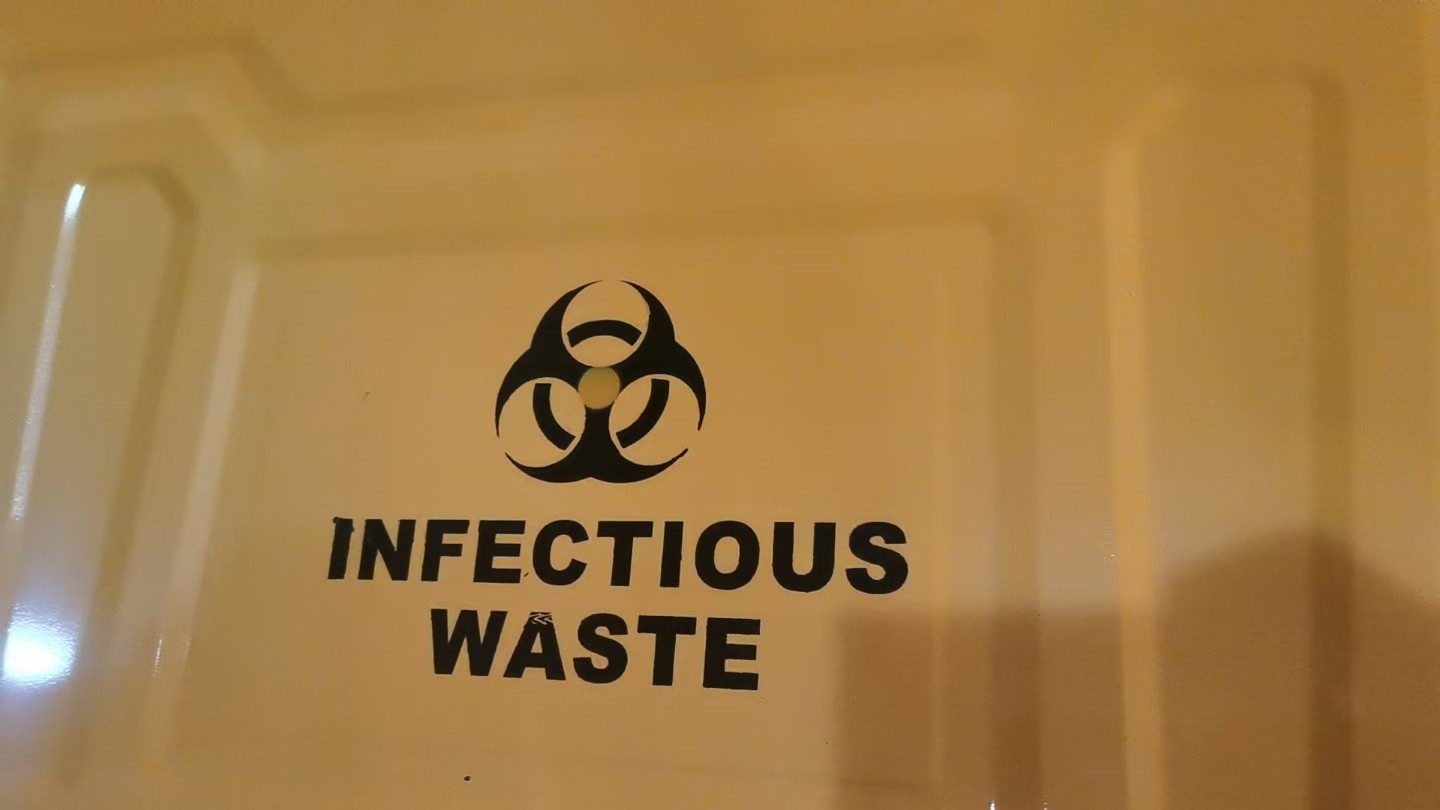
Traditional plastic containers often fail under prolonged chemical exposure, with studies showing HDPE bins developing stress cracks within 6 months of acid contact. Thin-gauge steel alternatives fare slightly better but remain vulnerable to rust-induced breaches. PGGP addresses these gaps through triple-layer galvanized steel construction-electroplated zinc bonding, chromate conversion coating, and polymer sealant-providing 10× the corrosion resistance of industry standards. Tested against pH extremes (1–14) and mechanical impacts, these containers maintain structural integrity for over a decade, even when storing abrasive construction debris or acidic food waste.
Cost-Effective Versatility in Waste Management
The true value of a waste container lies in its adaptability. Facilities frequently face evolving waste streams-a restaurant managing grease waste today might handle disinfectant chemicals tomorrow, while a hospital juggling biohazards may need temporary storage for recyclables. PGGP's galvanized steel containers eliminate the need for multiple specialized bins through:
- Non-reactive surfaces that resist odor absorption from organic waste
- 2mm reinforced walls impervious to nails, glass, or metal shards
- Groundable designs to safely discharge static from flammable vapors
- Modular accessories like spill trays and RFID tracking tags
A 2023 ROI analysis revealed that replacing three disposable plastic containers (general/hazardous/recycling) with one PGGP unit reduces annual costs by 68%, while slashing cross-contamination risks. Municipalities using these containers reported a 91% drop in hazardous waste fines over five years, attributed to the containers' UN-certified leak-proof seals and tamper-proof locking lids.
Engineering Safety into Every Container
PGGP's commitment to reliability is validated through rigorous testing:
- 30-minute submersion tests at 0.5 PSI pressure (exceeding OSHA 1910.120)
- -20°C to 80°C thermal cycling without seal compromise
- 10,000+ hinge cycle tests ensuring smooth operation
Unlike single-purpose competitors, our galvanized steel containers serve as a unified waste management solution-safely housing cafeteria compost, workshop solvents, and office paper waste alike. Optional epoxy coatings in 12 colors enable intuitive waste stream sorting without requiring separate bins.
Upgrade to Future-Proof Containment
From automotive shops handling oil rags to labs managing mercury waste, PGGP's galvanized steel containers deliver unmatched safety and adaptability. Explore our leak-proof designs that turn regulatory compliance from a cost center into a competitive advantage.


