At present, except for some developed countries that use classification to recycle urban household waste, most countries adopt mixed collection methods for garbage collection and transportation. The garbage classification and recycling models in developed countries have reached a high level, and their specific forms can be roughly divided into:
① Limit specific dates or weeks to classify and collect different types of garbage
② Set up classified recycling bins in suitable locations;
③ Using classified collection bags to package and collect different types of garbage,
Below is a specific explanation of the garbage collection and transportation models in Germany, France, the United States, and Japan.
Germany
Based on the classification of household waste and strong support from environmental policies and circular economy policies, Germany has become one of the countries with the best progress in household waste classification and collection. Germany attaches great importance to source control and classification management. Garbage classification is very detailed, not simply divided into household waste, industrial waste, medical waste, construction waste, hazardous waste, but into paper, glass (brown, green, white), organic waste (residual fruits and vegetables, garden waste, etc.), waste batteries, waste oil, plastic packaging materials, construction waste, large waste (large furniture, etc.), waste electrical appliances, hazardous waste, etc.
In Germany, the garbage collection system is divided into collection and delivery. In residential homes, there are generally organic waste collection bins and residual waste collection bins. The cost of collecting and processing one residual waste bin is significantly higher than that of collecting and processing one organic waste bin; Each household can determine the size of the garbage bin they need based on the amount of garbage they generate, and the payment price varies depending on the size of the bin. The urban sanitation department will regularly collect and empty the garbage bin at their doorstep (see Figure 3-1). At the same time, there are collection bins for waste packaging materials such as paper, glass (brown, green, white), and plastic (marked with green dots) in each residential area. Residents can send waste paper, glass bottles, etc. to these waste collection bins in the community. There are dedicated recycling points for large garbage (such as large furniture), waste electrical appliances, hazardous waste, etc. Residents can send large garbage (such as large furniture), used electrical appliances, and hazardous waste to recycling points for free, but for some special substances such as used tires, residents must pay. All businesses or companies must pay for the waste they generate.
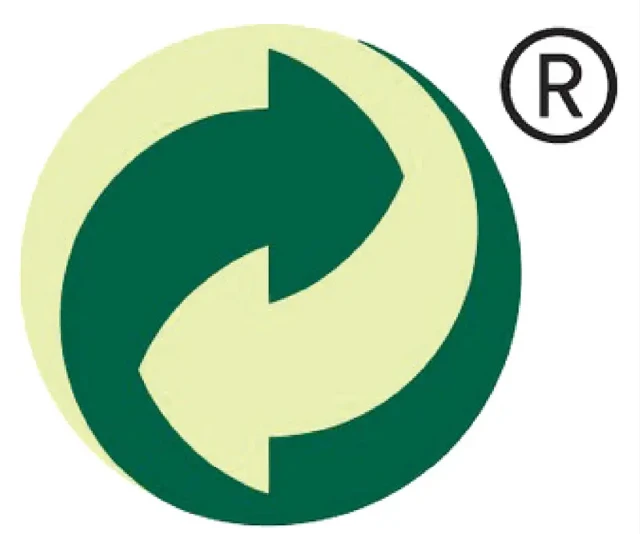
In June 1991, the German government issued the world's first regulation on waste classification and packaging, which was responsible for packaging waste by producers. It clearly stated that producers and sellers of packaging must bear the responsibility of recycling and reusing the waste packaging materials they introduce into the circulation field. In order to implement the Waste Classification and Packaging Regulations, Germany has established the German Recycling System AG (DSD), which is jointly operated by numerous private enterprises and has intermediary nature. The company organizes relevant enterprises to implement the "green dot system" for the recycling and utilization of waste such as packaging with green dots (as shown in Figure 3-2). The packaging waste recycling process is shown in Figure 3-3. DSD Company is a non-profit enterprise, and the funds required for its business activities come from the green dot usage fees collected by issuing the "Green Dot" trademark license to the enterprise. The full utilization of market economy means is an important feature of Germany's "green dot" recycling.