
Both hot-dip galvanizing and electro-galvanizing (cold galvanizing) are zinc coating processes, but they differ significantly in production methods: hot-dip involves melting zinc, while electro-galvanizing uses an electrolytic process. Despite these differences, their finished products can appear similar. So, how can you distinguish between them? What are their key differences? Let's explore below.

Part 1: Differences Between Hot-Dip Galvanizing and Electro-Galvanizing
Coating Thickness:
Hot-dip galvanizing produces a relatively thick zinc layer, typically exceeding 10 micrometers (µm). This provides excellent corrosion resistance. Although the surface is bright, it tends to be rougher and may exhibit zinc spangles.
Electro-galvanizing produces a much thinner zinc layer, usually around 3-5 µm. The surface is smooth but often appears dull or grayish. While it offers good formability and adhesion, its corrosion resistance is lower due to the thin coating.
Production Scale:
Hot-dip galvanizing is suited for large-scale, high-volume production runs.
Electro-galvanizing is generally more suitable for smaller batch sizes or specialized applications, resulting in comparatively lower overall production volumes.
Cost:
Electro-galvanizing typically costs more than hot-dip galvanizing. This is due to the more complex process requirements and the superior surface quality, formability, and coating adhesion it offers for specific applications.
Coating Structure:
Hot-dip galvanizing forms a pure zinc outer layer. While generally uniform and pore-free, a brittle iron-zinc alloy layer exists between the zinc coating and the steel substrate.
Electro-galvanizing deposits zinc atoms directly onto the steel surface through electrolysis. This results in a coating composed solely of zinc, held by physical adhesion. The thinner layer is more prone to microscopic porosity, making it inherently less corrosion-resistant.
Part 2: How to Distinguish Between Them
By Process:
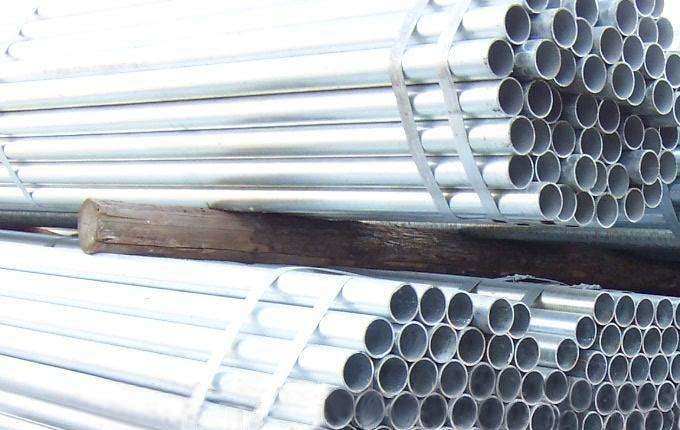
Hot-dip galvanizing involves multiple steps: degreasing the workpiece, acid pickling, fluxing, drying, and then immersion in a bath of molten zinc for a specific duration before removal. Products like galvanized pipes are typically made this way.
Electro-galvanizing (cold galvanizing) uses electrolytic equipment. The workpiece undergoes degreasing and pickling, is immersed in a zinc electrolyte solution, and an electric current is applied. Zinc ions deposit onto the workpiece (cathode) to form the coating.
By Appearance:
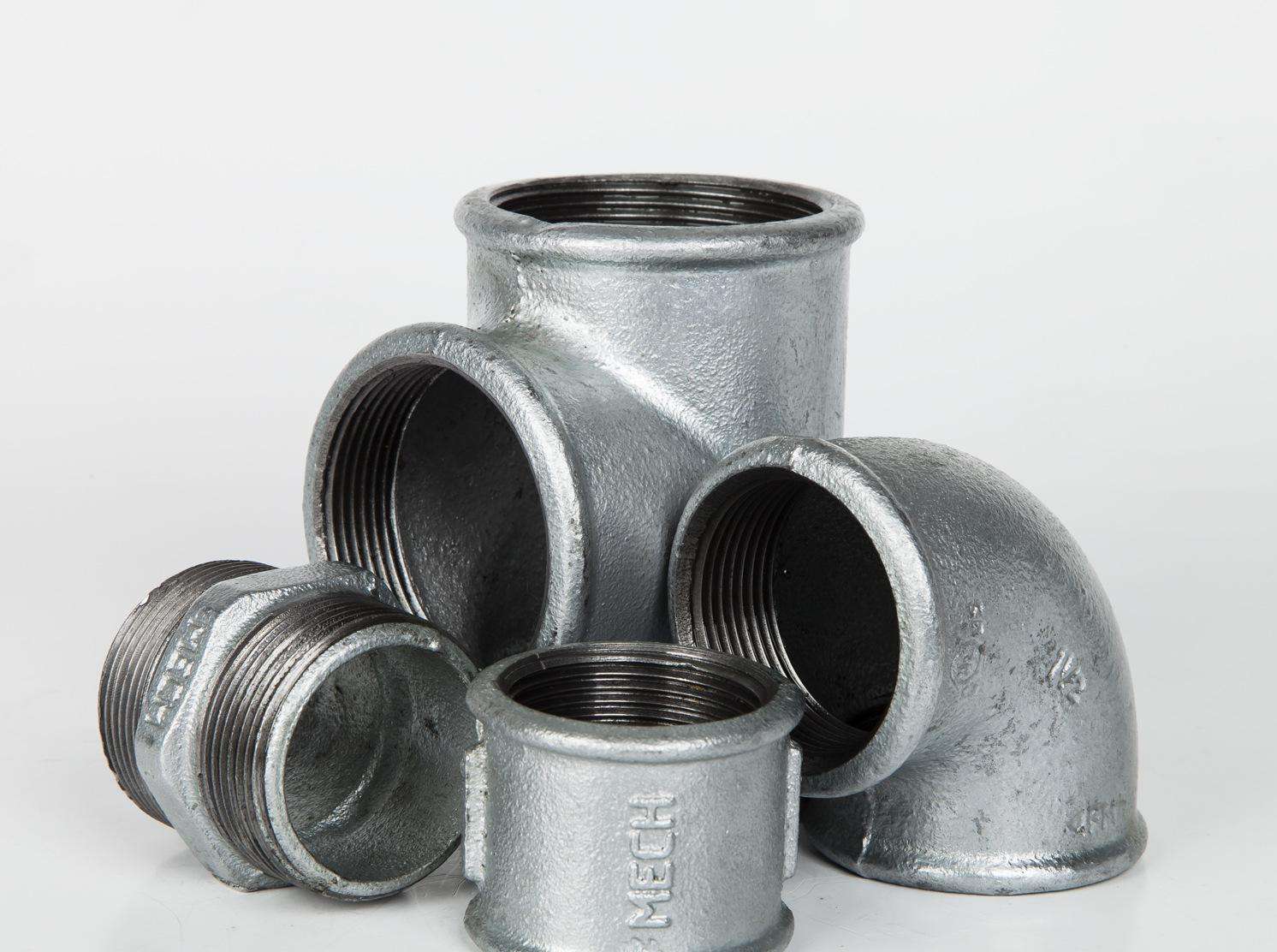
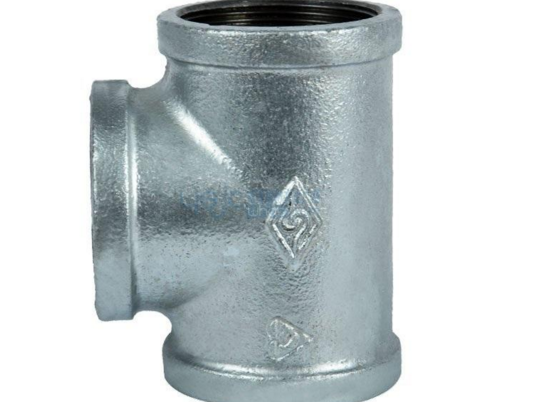
Hot-dip galvanized surfaces often appear slightly rough. Features like flow marks, drips, or zinc spangles (crystalline patterns) may be visible, sometimes concentrated at one end. The color is typically a uniform, bright silvery-white.
Electro-galvanized surfaces are generally smoother. The color can vary, often appearing yellowish-green, iridescent, bluish-white, or white with a greenish tint, depending on any passivation film applied. The surface is typically free from drips or heavy lumps of zinc.
Editor's Summary:
This article has outlined the key differences between hot-dip galvanizing and electro-galvanizing, along with methods for identification. Understanding these distinctions is crucial as each process is suited for different applications. Always ensure you select and use the appropriate type of zinc coating for your specific requirements.


