As global waste production continues to rise, effective waste management has become one of the most pressing challenges of our time. Landfills, once a primary method of waste disposal, are now being questioned for their long-term sustainability. While they provide an immediate solution to waste accumulation, there are significant environmental and logistical concerns surrounding the excessive use of landfills. It is crucial to examine how we can rationally utilize landfills and whether it is feasible to landfill all collected waste.
Landfills should not be viewed as a permanent solution to the growing waste problem. As urban populations increase, the volume of waste generated also rises, putting immense pressure on existing landfill sites. Not only is there limited space, but landfills can also produce harmful emissions such as methane, a potent greenhouse gas that contributes to climate change. Additionally, leachate from landfills can contaminate local water supplies, posing further environmental and public health risks. Given these concerns, it is clear that landfilling should be a last resort, reserved for waste that cannot be recycled or treated in other ways.
To effectively manage waste and reduce the strain on landfills, it is essential to implement waste diversion strategies. A key aspect of these strategies is waste segregation at the source. By sorting recyclable materials, organic waste, and non-recyclable waste, we can significantly reduce the volume of waste sent to landfills. Recycling and composting are crucial components of this diversion, as they help preserve natural resources and reduce the environmental footprint of waste disposal.
Another strategy is the adoption of waste-to-energy technologies, which allow for the conversion of non-recyclable waste into usable energy. This approach can reduce the volume of waste in landfills while also providing a renewable energy source. However, not all waste can be diverted in this way, and landfills will still play a role in waste management for the foreseeable future.
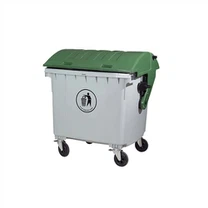
PGGP waste containers are a key part of the waste management process. These waste containers serve as the frontline product in waste handling, as they facilitate the collection of waste from households, businesses, and industrial sites. Without proper waste containers to gather the trash and waste collection vehicles to transport it, landfills would be rendered ineffective. The relationship between waste containers, waste trucks, and landfills is inseparable-if any part of this system fails, the entire waste management process comes to a halt. Therefore, efficient and reliable waste collection is critical to ensuring that landfills can be used as part of an integrated, sustainable waste management system.