The coating thickness is the most direct indicator for measuring the protective life of hot-dip galvanizing. The EN ISO 1461 standard specifies clear minimum local thickness requirements based on the thickness of the substrate and the type of steel product. For example, for steel parts with a thickness of ≥ 6mm, the local thickness is usually required to be no less than 85 μ m. The testing methods mainly use magnetic thickness measurement or eddy current thickness measurement, which are non-destructive methods that can be quickly carried out on site or in the laboratory. When operating, it is necessary to take a sufficient number of measurement points in representative areas (such as each major surface) (the standard has specific quantity requirements), and comprehensively evaluate whether they meet the requirements based on the average value and the lowest local value. It is worth noting that coating uniformity is crucial, and areas that are too thin will become a breakthrough for corrosion. Therefore, it is necessary to strictly control the temperature of the zinc solution, immersion time, and pulling speed during the production process, and subsequent quality inspection must systematically conduct thickness surveys.
If coating thickness is the guarantee of quantity, then adhesion is the core of quality. Good adhesion ensures that the zinc layer does not peel off during transportation, installation, and use, thereby maintaining a complete protective barrier. Although the EN ISO 1461 standard does not specify a specific quantitative adhesion testing method, it explicitly requires that the coating should have a good bond with the base metal and be able to withstand physical damage under normal handling and use. In practice, commonly used qualitative evaluation methods include friction tests and grid tests. Friction test is to repeatedly rub a blunt object (such as a blade back) on the surface of a zinc layer under a certain pressure to observe whether the zinc layer lifts or peels off. The grid test uses a hard cutting tool to draw squares on the zinc layer and observe whether the zinc layer falls off at the intersection of the scratches. More rigorous quantitative testing can refer to other standards, such as using a tensile testing machine for tensile testing. Poor adhesion is usually caused by incomplete surface pretreatment of the substrate (such as residual oxide skin, grease), excessive acid washing leading to hydrogen embrittlement, or abnormal growth of the alloy layer.
Integrating these two tests into the CE certification process means that manufacturers must establish a comprehensive quality control system. This includes: developing detailed testing operation manuals, calibrating and maintaining measuring equipment, training qualified inspectors, systematically recording testing data for each batch of products or representative samples, and saving it as part of technical documentation. When conducting factory production control (FPC) audits or product type inspections, the notified body will focus on verifying the compliance of these records and procedures.
In summary, the EN ISO 1461 standard provides a clear technical benchmark for CE certification of hot-dip galvanized structural components. Coating thickness and adhesion testing are not isolated inspection items, but run through the entire quality control chain from raw material selection, pretreatment, hot-dip galvanizing process to final inspection. Only by deeply understanding the standard requirements and solidly implementing them in every aspect of production and inspection, can we stably produce high-quality and long-life hot-dip galvanized products, smoothly obtain the CE mark, and win the trust and access of the international market. This is not only compliance with regulations, but also a fundamental investment in corporate reputation and product competitiveness.
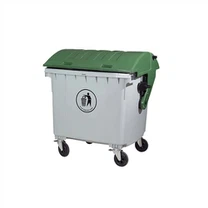
Elec Barrel adopts hot-dip galvanizing thickness and adhesion testing methods that comply with ISO 1461 regulations to ensure the quality of each supplied garbage bin and provide customers with the best garbage bin solution.