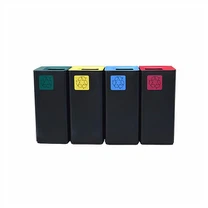
At PGGP, as manufacturers of durable galvanized garbage bins trusted globally, we understand that proper waste segregation starts at the point of disposal. Food waste presents unique challenges – it's wet, often smelly, and can attract pests if not handled correctly. Knowing which bin to use and what color typically signifies it is crucial for hygiene, effective waste management, and environmental responsibility.
Why Food Waste Needs Special Attention
Food scraps, leftovers, coffee grounds, tea bags, eggshells, peels, and spoiled produce constitute "organic waste" or "food waste." Unlike dry recyclables or general refuse, this waste stream:
- Decomposes Rapidly: Creating odors and liquids (leachate).
- Attracts Pests: Flies, rodents, and insects are drawn to it.
- Has High Resource Potential: When processed correctly (composting, anaerobic digestion), it can become valuable compost or biogas, reducing landfill use and greenhouse gases.
- Contaminates Other Streams: Putting food waste in recycling bins can ruin entire loads of paper, cardboard, or plastics.
The Right Bin for Food Waste: Color Matters
Internationally, there's a growing effort to standardize waste bin colors, though variations exist. For food waste specifically, the most common and increasingly standardized color is GREEN.
- Green Bins (Organic Waste): This is the dedicated bin for food scraps, yard trimmings, and other compostable organic materials. Placing your food waste here ensures it can be collected separately for industrial composting or anaerobic digestion facilities. This transforms waste into nutrient-rich soil or renewable energy.
- What Goes In (Typically): Fruit & vegetable scraps, meat & fish scraps (check local rules), bones (check local rules), eggshells, coffee grounds & filters, tea bags (check if plastic-free), bread, grains, pasta, dairy products (check local rules), soiled paper towels/napkins (non-recyclable ones), small amounts of garden waste.
- What Stays Out: Plastic bags (unless specifically compostable and accepted), packaging, liquids (oils, sauces - these often need special disposal), diapers, pet waste (usually goes in general waste).
The Other Bins: Where Food Waste Should NOT Go
- Blue Bins (Recycling): Food waste is a major contaminant in recycling. Never put food scraps, greasy pizza boxes, or food-soiled containers (like yogurt pots without rinsing) into the blue bin. This contaminates valuable recyclables like paper, cardboard, plastic, and metal, potentially sending the whole load to landfill.
- Black/Grey Bins (General Waste/Residual Waste): While food waste can go here if no separate collection exists, it's the least desirable option. Food rotting in landfills creates methane, a potent greenhouse gas, and wastes valuable resources. Use this bin only if a dedicated green bin service is unavailable in your area.
- Other Colors (e.g., Yellow for specific plastics, Red for hazardous waste): Food waste does not belong in these specialized streams.
Tips for Managing Food Waste in Your PGGP Bin
- Line It (Check Locally): Use certified compostable bags or paper liners if permitted by your collection service to keep your galvanized bin cleaner and reduce odor. Avoid regular plastic bags.
- Contain Liquids: Drain excess liquids from food scraps before disposal. Consider keeping a small countertop container (emptied daily) and transferring to the larger outdoor bin.
- Freeze Strong Odors: Items like fish scraps or meat bones can be frozen until collection day to minimize smells.
- Seal Tightly: Ensure your PGGP galvanized bin lid closes securely to deter pests and contain odors. Our robust steel construction provides excellent durability against animals and the elements.
- Clean Regularly: Rinse your food waste bin periodically with water and vinegar or a mild detergent to prevent residue buildup and odors. Galvanized steel is easy to clean and highly resistant to corrosion.
- Know Your Local Rules: Always verify the specific guidelines for food waste collection in your municipality or region – accepted materials, bin colors, and collection schedules can vary.
PGGP: Your Partner in Effective Waste Management
Properly sorting food waste into the GREEN bin is a simple yet powerful action. It reduces landfill impact, combats climate change, and recovers valuable resources. At PGGP, we design and manufacture high-quality galvanized garbage bins built to withstand the rigors of organic waste collection. Our durable steel bins, featuring secure lids and robust construction, provide the reliable containment solution communities and waste management services need to make food waste recycling programs successful.
Choose PGGP bins for longevity, reliability, and a cleaner approach to managing organic waste. Let's work together to ensure food scraps find their way to the right place – the green bin!