


What materials are industrial trash bins made of?
As a seasoned supplier of industrial trash bins, I often get asked about the materials used in making these essential pieces of equipment. Industrial trash bins are the unsung heroes of waste management, and the choice of materials significantly impacts their durability, functionality, and cost - effectiveness. In this blog, I'll delve into the most common materials employed in the manufacturing of industrial trash bins.
Steel
Steel is one of the most prevalent materials for industrial trash bins, and it's not hard to see why. It offers exceptional strength and durability, making it suitable for heavy - duty applications. Whether it's in a manufacturing plant dealing with sharp metal scraps or a construction site filled with debris, steel trash bins can withstand the rigors of these environments.
Galvanized steel, in particular, is a popular choice. The galvanization process involves coating the steel with a layer of zinc. This not only protects the steel from rust and corrosion but also extends the bin's lifespan. For instance, our 770L Industrial Waste Bin is made from high - quality galvanized steel. The zinc coating acts as a sacrificial layer, corroding first to save the steel beneath. It's an ideal option for outdoor industrial settings where the bins are exposed to the elements, like weather and air pollution.
Stainless steel is another variant of steel used in industrial trash bin manufacturing. It has a higher chromium content, which gives it excellent resistance to corrosion and staining. Stainless steel bins are often used in food processing industries or areas with strict hygiene requirements. They are easy to clean and maintain, and their sleek appearance can also enhance the aesthetics of the workplace.
Plastic
Plastic industrial trash bins have gained popularity in recent years due to their many advantages. They are lightweight, which makes them easy to move around, even when empty. This is particularly useful in facilities where the bins need to be transported frequently for waste collection.
High - density polyethylene (HDPE) is a commonly used plastic for industrial trash bins. It is resistant to many chemicals, so it can safely hold a wide variety of waste materials without the risk of degradation. HDPE bins are also very impact - resistant. They can withstand being bumped around, dropped, or even run over by small vehicles without cracking or breaking.
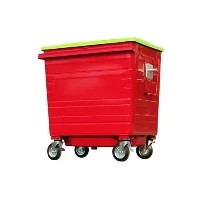
Our 770L Wheels Garbage Bin made of HDPE is a great example. The wheels make it extremely convenient to move the bin, and the sturdy plastic construction ensures it can handle a large volume of waste. Additionally, plastic bins are often more cost - effective upfront compared to their steel counterparts. They also have the advantage of being customizable in terms of color, so they can be easily color - coded for different types of waste, such as recyclables, hazardous waste, or general waste.


Aluminum
Aluminum is another material that has its place in industrial trash bin manufacturing. It is incredibly lightweight yet still maintains a reasonable level of strength. This makes aluminum bins easy to handle and transport, especially when dealing with large - sized bins.
Aluminum is also highly resistant to corrosion, which is a crucial factor for industrial use. It doesn't rust like steel, and it can endure exposure to various chemicals and environmental conditions. In addition, aluminum has a good aesthetic appeal. It has a natural sheen that can make the bins look modern and clean, which is beneficial in settings where visual appeal also matters, such as some high - tech factories or commercial complexes.
Wood
Although less common in modern industrial applications, wood can still be used for making industrial trash bins. Wooden bins can provide a more rustic or natural look, which might be suitable for certain settings like forestry operations, parks, or some eco - conscious facilities.
Wood offers good insulation properties. In some cases where the waste stored inside needs to be protected from extreme temperature changes, such as storing certain types of organic waste, wooden bins can be a valid option. However, wood is also more susceptible to damage from moisture, pests like termites, and fire. Treated wood can be used to mitigate some of these issues. For example, pressure - treated wood has been infused with chemicals to make it more resistant to decay and insects.
Composite Materials
Composite materials are a relatively new entrant in the field of industrial trash bin manufacturing. These materials are made by combining two or more different materials to get the best properties of each. For example, a composite bin might combine the strength of fiber - glass with the corrosion resistance of plastic.
Composite bins can be designed to be very durable, lightweight, and corrosion - resistant. They can also be molded into various shapes and sizes, providing greater design flexibility. However, they are often more expensive to produce, which can translate into a higher cost for the consumer.
When choosing the right industrial trash bin for your needs, it's important to consider the type of waste you'll be storing, the environment in which the bin will be placed, and your budget. Each material has its own set of pros and cons, and the best choice will depend on your specific requirements.
If you're in the market for high - quality industrial trash bins, we have a wide range of options made from the finest materials. Our team of experts can help you select the perfect bin for your industrial waste management needs. Don't hesitate to reach out to us for more information and to discuss your procurement requirements. We're here to ensure you get the best solution for your waste handling challenges.
References
- Smith, J. (2020). Materials in Industrial Equipment: A Comprehensive Guide. Industrial Press.
- Johnson, M. (2019). Waste Management and the Role of Trash Bins. Environmental Journal.
- Brown, R. (2021). Advances in Composite Materials for Industrial Use. Material Science Quarterly.