

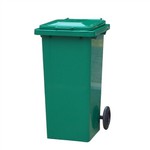

Hey there! As a metal dustbin supplier, I often get asked about the weight limit of our products. It's a crucial question, especially for those who need to handle large amounts of waste. So, let's dive right into it and explore what the weight limit of a metal dustbin really means.
First off, it's important to understand that the weight limit of a metal dustbin isn't a one - size - fits - all number. It can vary depending on several factors. The material of the dustbin is a major one. Most of our metal dustbins are made of galvanized steel. Galvanized steel is great because it's strong and resistant to rust. But even within galvanized steel, the thickness of the metal plays a big role. Thicker steel can generally handle more weight.
Another factor is the design of the dustbin. Some dustbins have a more robust structure, like reinforced sides or a sturdy base. These features can increase the weight - bearing capacity. For example, our 1100L Galvanized Outdoor Garbage Bin is designed with a solid base and reinforced walls. This allows it to hold a significant amount of waste without buckling under the pressure.
Now, let's talk about how we determine the weight limit. We conduct a series of tests in our lab. We start by filling the dustbin with weights in a controlled environment. We gradually increase the weight until we notice any signs of deformation or damage. This gives us a good idea of the maximum weight the dustbin can handle safely.
For our smaller dustbins, like the Galvanized Waste Basket, the weight limit is usually around 20 - 30 kilograms. These are great for indoor use, like in offices or small shops. They're not meant to hold large, heavy items but are perfect for everyday waste like paper, plastic, and light food waste.
On the other hand, our larger dustbins, such as the Galvanized Garbage Pail, can handle much more. Depending on the specific model, they can have a weight limit of up to 100 - 200 kilograms. These are ideal for outdoor use, like in parks, factories, or large commercial areas where there's a lot of waste to be collected.
It's also important to note that the type of waste matters. If you're filling the dustbin with dense materials like wet concrete or heavy metal scraps, the weight limit will be lower compared to lighter materials like cardboard or dry leaves. This is because dense materials put more pressure on the walls and base of the dustbin.
When using our metal dustbins, it's crucial to stay within the weight limit. Overloading a dustbin can lead to several problems. The dustbin might start to deform, which can make it difficult to move or empty. In extreme cases, it could even break, causing a mess and potentially damaging the surrounding area.
So, how can you make sure you're not overloading the dustbin? Well, it's a good idea to estimate the weight of the waste you're putting in. If you're dealing with heavy items, try to distribute the weight evenly inside the dustbin. And if you're not sure about the weight limit of a particular dustbin, you can always reach out to us.
As a supplier, we're committed to providing high - quality metal dustbins that meet your needs. Whether you're a small business looking for a compact waste solution or a large municipality in need of heavy - duty outdoor dustbins, we've got you covered.


If you're interested in purchasing our metal dustbins, we'd love to have a chat with you. We can discuss your specific requirements, such as the size, weight limit, and any special features you might need. Contact us today to start the conversation and find the perfect metal dustbin for your waste management needs.
References:
- Industry standards for metal dustbin manufacturing
- In - house testing data from our laboratory