

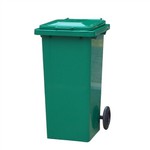

When it comes to choosing a dustbin for your home, office, or public space, two popular options are metal and wooden dustbins. Each material has its own unique characteristics, advantages, and disadvantages. As a metal dustbin supplier, I have in - depth knowledge of the differences between these two types of dustbins, and I'm here to share this information with you.
Durability
One of the most significant differences between metal and wooden dustbins lies in their durability. Metal dustbins, especially those made of high - quality steel or galvanized materials, are extremely robust. They can withstand a great deal of physical abuse, such as being bumped, kicked, or dropped. For example, our Galvanized Waste Basket is designed to be long - lasting. The galvanization process adds a protective layer to the metal, preventing rust and corrosion, even when exposed to moisture.
On the other hand, wooden dustbins are more prone to damage. Wood can be easily scratched, dented, or cracked. It is also susceptible to rot and decay if it comes into contact with water for extended periods. In humid environments, wooden dustbins may develop mold and mildew, which not only looks unappealing but can also pose health risks.
Hygiene
Hygiene is a crucial factor when choosing a dustbin. Metal dustbins are generally more hygienic than wooden ones. Metal is non - porous, which means it does not absorb liquids or odors. This makes it easier to clean and disinfect. You can simply wipe down the inside of a metal dustbin with a damp cloth and a mild cleaning solution to keep it fresh and odor - free. Our Galvanized Step Trash Can has a smooth surface that resists the accumulation of dirt and bacteria.
Wood, however, is porous. It can absorb moisture and odors from the waste inside the dustbin. Over time, this can lead to a build - up of bacteria and unpleasant smells. Cleaning a wooden dustbin is more challenging, as you need to be careful not to damage the wood. You may need to use special wood cleaners, and it may be difficult to completely remove stubborn stains and odors.
Aesthetics
The aesthetic appeal of a dustbin can also influence your choice. Wooden dustbins offer a warm, natural look that can complement a variety of interior design styles, especially those with a rustic or traditional theme. They can add a touch of elegance and charm to a room. The natural grain and texture of the wood give each dustbin a unique appearance.
Metal dustbins, on the other hand, have a more modern and industrial look. They are available in a wide range of finishes, such as stainless steel, powder - coated, or galvanized. Our Vintage Industrial Trash Can combines the durability of metal with a vintage - inspired design, making it a great choice for those who want a dustbin that stands out. Metal dustbins can also be more versatile in terms of color options, allowing you to match them with your existing decor.
Cost
Cost is always a consideration when making a purchase. Generally, wooden dustbins are more expensive than metal ones, especially if they are made from high - quality hardwoods. The cost of the wood, as well as the labor involved in crafting and finishing the dustbin, can drive up the price.
Metal dustbins, on the other hand, are often more cost - effective. The materials used to make metal dustbins are relatively inexpensive, and the manufacturing process is more streamlined. This means that you can get a high - quality metal dustbin at a lower price point.
Environmental Impact
In terms of environmental impact, both metal and wooden dustbins have their pros and cons. Metal dustbins are often made from recycled materials, and they are also recyclable at the end of their lifespan. This helps to reduce the demand for new raw materials and minimizes waste.
Wooden dustbins, if sourced from sustainable forests, can be a more environmentally friendly option. Wood is a renewable resource, and using it can help to support sustainable forestry practices. However, the production of wooden dustbins may involve the use of chemicals for treatment and finishing, which can have a negative impact on the environment.
Maintenance
Maintenance requirements are another important difference between metal and wooden dustbins. Metal dustbins are relatively low - maintenance. As mentioned earlier, they are easy to clean and do not require special treatments to prevent damage. You may need to check for signs of rust or corrosion periodically, but this can be easily addressed with a rust - resistant paint or coating.
Wooden dustbins, on the other hand, require more care. They need to be regularly treated with wood preservatives to prevent rot and decay. You also need to be careful when cleaning them to avoid damaging the wood. Over time, you may need to sand and refinish the surface to keep it looking its best.
Conclusion
In conclusion, the choice between a metal dustbin and a wooden one depends on your specific needs and preferences. If you are looking for a durable, hygienic, and cost - effective option, a metal dustbin is the way to go. Our range of metal dustbins, including the Galvanized Waste Basket, Galvanized Step Trash Can, and Vintage Industrial Trash Can, offers a variety of styles and features to meet your requirements.
If you prefer a more natural and rustic look and are willing to invest more time and money in maintenance, a wooden dustbin may be a better choice for you.


If you are interested in purchasing metal dustbins for your home, office, or public space, I encourage you to contact us for more information and to discuss your specific needs. We are committed to providing high - quality products and excellent customer service.
References
- "Materials Science and Engineering: An Introduction" by William D. Callister Jr. and David G. Rethwisch
- "Wood Handbook: Wood as an Engineering Material" by Forest Products Laboratory