

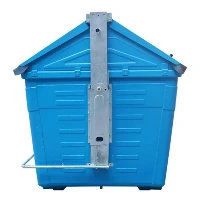

Storing a metal dustbin properly is crucial not only for maintaining its functionality but also for extending its lifespan. As a metal dustbin supplier, I've witnessed firsthand the impact of proper storage on the quality and durability of these products. In this blog post, I'll share some of the best practices for storing metal dustbins based on my experience in the industry.
Understanding the Characteristics of Metal Dustbins
Before delving into the storage methods, it's important to understand the properties of metal dustbins. Metal dustbins are typically made of materials such as steel or galvanized iron. These materials are strong and durable, but they are also susceptible to rust and corrosion, especially when exposed to moisture and harsh environmental conditions.
Indoor Storage
Indoor storage is often the best option for metal dustbins, as it provides protection from the elements. Here are some tips for indoor storage:
- Choose a Dry Location: Select a dry area in your storage facility, such as a warehouse or a shed. Avoid areas prone to flooding or high humidity, as moisture can cause rust and corrosion on the metal surface.
- Elevate the Dustbins: Place the dustbins on pallets or racks to keep them off the ground. This helps prevent moisture from seeping into the bins and reduces the risk of damage from pests or rodents.
- Keep the Area Clean: Regularly clean the storage area to remove any dirt, debris, or spills that could potentially damage the dustbins. A clean environment also helps prevent the growth of mold and mildew.
Outdoor Storage
If indoor storage is not available, outdoor storage can be an alternative. However, it requires additional precautions to protect the metal dustbins from the elements.


- Use a Cover: Invest in a high - quality waterproof cover to protect the dustbins from rain, snow, and sunlight. The cover should fit snugly over the dustbins to prevent water from seeping in.
- Position in a Sheltered Area: Place the dustbins in a sheltered location, such as under a canopy or against a wall. This helps reduce their exposure to direct sunlight and strong winds.
- Inspect Regularly: Check the dustbins regularly for signs of damage or corrosion. If you notice any issues, address them promptly to prevent further deterioration.
Stacking and Organization
Proper stacking and organization of metal dustbins can save space and prevent damage.
- Stacking Guidelines: When stacking dustbins, make sure they are properly aligned and stable. Avoid stacking them too high, as this can increase the risk of toppling and damage. For larger dustbins like the 1100L Galvanised Garbage Can, it's important to follow the manufacturer's stacking instructions.
- Separate Different Sizes and Models: Keep different sizes and models of dustbins separate to make it easier to access and identify them. This also helps prevent damage that could occur if smaller dustbins are crushed under larger ones.
- Labeling: Label each dustbin or storage area to indicate the type, size, and quantity of dustbins. This makes inventory management more efficient and helps you quickly find the dustbins you need.
Maintenance During Storage
Even when in storage, metal dustbins require some maintenance to ensure their longevity.
- Cleaning: Periodically clean the dustbins to remove any dirt, grime, or debris that may have accumulated. Use a mild detergent and a soft cloth or brush to avoid scratching the metal surface.
- Lubrication: If the dustbins have moving parts, such as hinges or wheels, lubricate them regularly to prevent rust and ensure smooth operation. For example, the Wheeled Trash Can With Lid may require lubrication for its wheels and hinges.
- Inspection: Conduct regular inspections to check for any signs of damage, such as dents, scratches, or rust. If you find any issues, repair them as soon as possible to prevent further deterioration.
Considerations for Long - Term Storage
For long - term storage, additional steps may be necessary to protect the metal dustbins.
- Apply a Protective Coating: Consider applying a protective coating, such as a rust - resistant paint or a clear sealant, to the metal surface. This provides an extra layer of protection against rust and corrosion.
- Store in a Climate - Controlled Environment: If possible, store the dustbins in a climate - controlled environment. This helps maintain a stable temperature and humidity level, reducing the risk of damage.
Conclusion
Proper storage of metal dustbins is essential for maintaining their quality and functionality. By following the tips outlined in this blog post, you can ensure that your metal dustbins remain in good condition for years to come. Whether you're a business owner, a facility manager, or an individual looking to store a metal dustbin, these practices will help you get the most out of your investment.
If you're interested in purchasing high - quality metal dustbins, we are here to help. We offer a wide range of metal dustbins, including the 1100L Galvanised Garbage Can, Wheeled Trash Can With Lid, and Metal Trash Can With Lid Outdoor. Contact us to discuss your specific requirements and start a purchase negotiation.
References
- "Guide to Metal Storage." Metal Manufacturers Association.
- "Best Practices for Storing Industrial Containers." Industrial Storage Journal.