

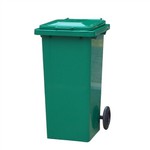

As a supplier of 240L outdoor trash bins, I understand the importance of proper storage during the winter months. Winter can be harsh on outdoor equipment, and trash bins are no exception. In this blog, I will share the best ways to store a 240L outdoor trash bin in winter to ensure its longevity and functionality.


Why Proper Storage Matters
Winter conditions can take a toll on outdoor trash bins. Freezing temperatures, snow, ice, and moisture can cause damage to the bin's structure, wheels, and lids. If not stored correctly, the bin may rust, crack, or become brittle, reducing its lifespan and effectiveness. Proper storage helps protect the bin from these elements, ensuring it remains in good condition for years to come.
Cleaning the Bin
Before storing the trash bin for the winter, it is essential to clean it thoroughly. Remove all trash and debris from the bin, and use a hose or pressure washer to rinse the inside and outside of the bin. For stubborn stains, you can use a mild detergent and a scrub brush. Make sure to dry the bin completely to prevent mold and mildew growth during storage.
Inspecting the Bin
Once the bin is clean, inspect it for any signs of damage. Check the wheels, lids, and hinges for wear and tear. If you notice any issues, such as a broken wheel or a loose lid, repair or replace the damaged parts before storing the bin. This will prevent further damage during the winter and ensure the bin is ready for use when spring arrives.
Choosing the Right Storage Location
The location where you store your 240L outdoor trash bin can have a significant impact on its condition during the winter. Here are some factors to consider when choosing a storage location:
- Indoor Storage: If possible, store the bin indoors, such as in a garage, shed, or basement. Indoor storage provides the best protection from the elements, keeping the bin dry and safe from freezing temperatures.
- Outdoor Storage: If indoor storage is not an option, choose a sheltered outdoor location. Place the bin under a covered patio, carport, or awning to protect it from snow and rain. Make sure the location is well-drained to prevent water from pooling around the bin.
- Avoid Low-Lying Areas: Do not store the bin in low-lying areas where water may accumulate. Standing water can cause rust and corrosion, especially if the bin is made of metal.
- Keep Away from Heat Sources: Avoid storing the bin near heat sources, such as furnaces, water heaters, or fireplaces. High temperatures can cause the plastic or metal to warp or melt.
Preparing the Bin for Storage
Once you have chosen the storage location, it is time to prepare the bin for storage. Here are some steps to follow:
- Empty the Bin Completely: Make sure there is no trash or debris left in the bin. This will prevent odors and pests from developing during storage.
- Remove the Wheels: If the bin has wheels, remove them before storing the bin. This will prevent the wheels from getting damaged and make it easier to move the bin around.
- Cover the Bin: Use a waterproof cover to protect the bin from dust, dirt, and moisture. Make sure the cover fits snugly over the bin and is secured with straps or bungee cords.
- Store the Bin Upright: Store the bin upright to prevent it from tipping over and getting damaged. If possible, stack the bins on top of each other to save space.
Maintaining the Bin During Storage
Even if the bin is stored properly, it is still important to check on it periodically during the winter. Here are some tips for maintaining the bin during storage:
- Check for Damage: Every few weeks, check the bin for any signs of damage, such as cracks, dents, or rust. If you notice any issues, address them immediately to prevent further damage.
- Remove Snow and Ice: If the bin is stored outdoors, remove any snow or ice that accumulates on the bin. This will prevent the bin from getting weighed down and damaged.
- Keep the Area Clean: Keep the storage area clean and free of debris. This will prevent pests from nesting in the bin and causing damage.
Other Considerations
In addition to the above tips, there are a few other things to consider when storing a 240L outdoor trash bin in winter:
- Use a Dehumidifier: If you are storing the bin indoors, consider using a dehumidifier to reduce the humidity in the air. This will prevent mold and mildew from growing on the bin.
- Lubricate the Hinges and Wheels: Before storing the bin, lubricate the hinges and wheels with a silicone-based lubricant. This will prevent them from rusting and ensure they operate smoothly when the bin is back in use.
- Consider Using a Bin Liner: If you are storing the bin for an extended period, consider using a bin liner to protect the inside of the bin from dirt and debris.
Conclusion
Proper storage is essential for maintaining the longevity and functionality of a 240L outdoor trash bin during the winter. By following the tips outlined in this blog, you can ensure your bin remains in good condition and is ready for use when spring arrives. As a supplier of 120L Galvanized Garbage Bin with Wheels, 240L Galvanized Metal Garbage Bin, and 280L Galvanized Public Garbage Bin, I am committed to providing high-quality products and helpful advice to our customers. If you have any questions or need further assistance, please do not hesitate to contact us for more information and to discuss your purchasing needs.
References
- "Winterizing Outdoor Equipment." Home Maintenance Guide.
- "Proper Storage of Trash Bins." Waste Management Handbook.