


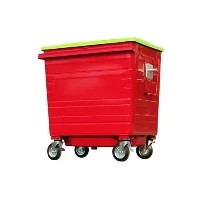
Transporting a large size outdoor trash can might seem like a real headache, but don't worry! As a supplier of Large Size Outdoor Trash Cans, I've got some solid tips and tricks to share with you.
First off, let's talk about why you might need to transport these big boys. Maybe you're moving them from the manufacturing site to a retail store, or perhaps you're delivering them straight to a customer's location. It could also be that you're relocating trash cans within a large campus or a public area. No matter the reason, proper transportation is key to ensure the trash cans arrive in one piece.
Pre - transport Preparation
Before you even think about loading the trash cans onto a vehicle, there are a few things you need to do.
Inspection
Give each trash can a thorough once - over. Check for any signs of damage, like dents, cracks, or loose parts. If you spot any issues, it's better to fix them before transportation. This not only ensures the quality of the product but also reduces the risk of further damage during transit.
Cleaning
A clean trash can is not only more presentable but also less likely to cause any mess during transportation. Remove any debris, dirt, or leftover garbage from inside the can. If possible, give it a quick wash and dry it thoroughly.
Securing Loose Parts
Some large outdoor trash cans come with lids, wheels, or other detachable parts. Make sure these parts are properly secured. You can use zip ties, ropes, or other fastening materials to keep them in place. This prevents them from getting lost or causing damage to the trash can or other items during transport.
Choosing the Right Vehicle
The type of vehicle you choose for transportation depends on several factors, such as the size and weight of the trash cans, the distance of the journey, and the number of trash cans you need to transport.
Small - scale Deliveries
If you're making small - scale deliveries, like transporting a few trash cans to a local business or a residential area, a pickup truck or a small van might be sufficient. These vehicles are easy to maneuver and can access areas that larger trucks might not be able to reach.
Large - scale Deliveries
For large - scale deliveries, such as supplying trash cans to a big shopping mall or a public park, you'll probably need a large truck or a semi - trailer. These vehicles have the capacity to carry a large number of trash cans at once, which can save you time and money in the long run.
When choosing a vehicle, make sure it has enough space to accommodate the trash cans without overcrowding them. Overcrowding can lead to damage, as the cans may rub against each other or get crushed.
Loading the Trash Cans
Loading the trash cans onto the vehicle is a crucial step. You need to do it carefully to avoid any damage.
Stacking
If you're transporting multiple trash cans, stacking them can save space. However, you need to stack them in a stable way. Place the heavier and larger trash cans at the bottom and the lighter ones on top. Make sure the cans are aligned properly to prevent them from tipping over.
Using Straps and Tie - downs
Once the trash cans are loaded, use straps and tie - downs to secure them to the vehicle. This prevents them from shifting during transit, which can cause damage. You can use ratchet straps, bungee cords, or other types of tie - downs depending on the size and weight of the trash cans.
During Transit
During the journey, there are a few things you need to keep in mind to ensure the safety of the trash cans.
Driving Carefully
The driver should drive carefully, especially when going over bumps, potholes, or making turns. Sudden stops or sharp turns can cause the trash cans to shift or fall over, leading to damage.
Monitoring the Load
If possible, have someone monitor the load during transit. This person can check if the trash cans are still secure and if there are any signs of damage. If any issues are detected, they can be addressed immediately.
Unloading the Trash Cans
When you reach your destination, it's time to unload the trash cans.
Using the Right Equipment
Depending on the size and weight of the trash cans, you may need to use equipment such as forklifts, pallet jacks, or hand trucks to unload them safely. Make sure the equipment is in good working condition and that the operators are trained to use it properly.
Handling with Care
Just like when loading, you need to handle the trash cans with care when unloading. Avoid dropping or throwing them, as this can cause damage. Place them gently in the designated area.
Now, if you're in the market for high - quality large size outdoor trash cans, we've got a great range of products for you. Check out our Outdoor Metal Garbage Cans with Wheels, which are not only durable but also easy to move around. We also have Classified Trash Bin for those who want to promote waste sorting, and Small Metal Trash Can Outdoor for areas with limited space.

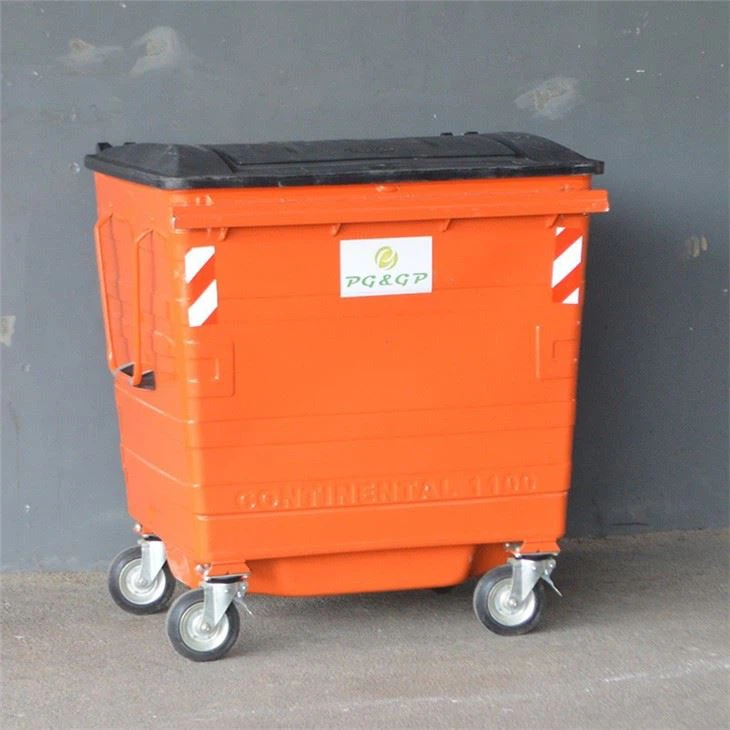
If you're interested in our products and want to discuss your specific needs, feel free to reach out. We're always happy to have a chat and help you find the perfect trash cans for your requirements.
References
- "Transportation Best Practices for Large - Scale Items", Logistics Today Magazine
- "Safe Loading and Unloading of Heavy Equipment", Industrial Safety Journal