


Hey there! I'm a supplier of 770L movable waste cans, and I've been in this business for quite a while. Over the years, I've learned a thing or two about optimizing the structure of these waste cans to make them more efficient, durable, and user-friendly. In this blog post, I'll share some of my insights and tips on how to do just that.
Understanding the Basics
First things first, let's talk about what makes a 770L movable waste can tick. These waste cans are designed to be large enough to hold a significant amount of waste, yet still be movable, thanks to their wheels. They're commonly used in industrial settings, commercial areas, and even some large residential complexes.
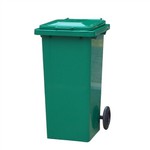
The key components of a 770L movable waste can include the body, the lid, and the wheels. The body is where the waste is stored, the lid keeps the waste contained and helps to reduce odors, and the wheels make it easy to move the can around.
Optimizing the Body
The body of the waste can is the most important part, as it's where all the waste goes. To optimize the body, you need to consider a few things:
- Material: The material of the body can have a big impact on its durability and performance. Common materials include galvanized steel, which is strong and resistant to rust, and high-density polyethylene (HDPE), which is lightweight and easy to clean. I recommend using galvanized steel for industrial applications, as it can withstand heavy use and harsh environments. You can check out our 770L Industrial Waste Bin for a great example of a high-quality galvanized steel waste can.
- Shape: The shape of the body can also affect its functionality. A rectangular shape is often the most practical, as it allows for easy stacking and efficient use of space. However, you may also want to consider a rounded shape, which can be more aesthetically pleasing and easier to clean.
- Capacity: Of course, the capacity of the body is crucial. A 770L waste can is already quite large, but you may want to consider ways to increase its capacity even further. One way to do this is by using a tapered design, which allows for more waste to be packed in at the top.
Improving the Lid
The lid of the waste can is important for keeping the waste contained and reducing odors. Here are some ways to optimize the lid:


- Sealing: A good seal is essential for preventing odors from escaping. Look for a lid that has a rubber gasket or other sealing mechanism to ensure a tight fit.
- Ease of Use: The lid should be easy to open and close, even when the can is full. Consider using a lever or other mechanism to make it easier to lift the lid.
- Ventilation: Some waste cans come with ventilation holes in the lid to help reduce odors. This can be a great feature, especially if you're using the can in an enclosed space.
Enhancing the Wheels
The wheels are what make the waste can movable, so it's important to choose the right ones. Here are some things to consider:
- Size and Type: The size and type of wheels can affect the maneuverability of the waste can. Larger wheels are generally better for rough terrain, while smaller wheels are more suitable for smooth surfaces. You may also want to consider using swivel wheels, which allow for easier turning.
- Durability: The wheels should be made of a durable material, such as rubber or polyurethane, to withstand heavy use. Look for wheels that are rated for the weight of the waste can and the type of terrain it will be used on.
- Brakes: Some waste cans come with brakes on the wheels, which can be useful for keeping the can in place when it's not in use. This can be especially important if you're using the can on a slope or in a high-traffic area.
Other Considerations
In addition to optimizing the body, lid, and wheels, there are a few other things you can do to improve the structure of your 770L movable waste can:
- Handles: Adding handles to the waste can can make it easier to move and lift. Look for handles that are comfortable to grip and strong enough to support the weight of the can.
- Labeling: Labeling the waste can can help to ensure that the right type of waste is being disposed of in the right place. You can use labels to indicate what types of waste are allowed and what types are prohibited.
- Maintenance: Regular maintenance is important for keeping your waste can in good condition. This includes cleaning the can regularly, checking the wheels and brakes for wear and tear, and replacing any damaged parts.
Conclusion
Optimizing the structure of a 770L movable waste can is all about finding the right balance between functionality, durability, and user-friendliness. By considering the material, shape, capacity, sealing, ease of use, ventilation, wheels, handles, labeling, and maintenance, you can create a waste can that meets the needs of your customers and helps to keep your environment clean and tidy.
If you're interested in learning more about our 770L movable waste cans or have any questions about optimizing their structure, please don't hesitate to contact us. We'd be happy to help you find the right waste can for your needs and provide you with any support you may need.
References
- "Waste Management Best Practices." Environmental Protection Agency.
- "Industrial Waste Bin Design and Functionality." Journal of Waste Management.