

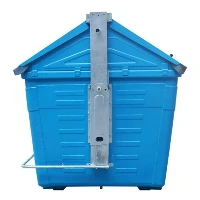

Hey there! As an outdoor metal trash can supplier, I've seen my fair share of these bins in all sorts of conditions. Maintaining an outdoor metal trash can isn't rocket science, but it does require a bit of know - how and regular attention. In this blog post, I'll share some tips on how to keep your outdoor metal trash can in top shape.
1. Regular Cleaning
The first step in maintaining an outdoor metal trash can is regular cleaning. You'd be surprised at how much dirt, grime, and debris can build up on the outside and inside of the trash can over time.
For the outside, start by giving it a good rinse with a garden hose. This will get rid of loose dirt and dust. Then, use a mild detergent and a soft - bristle brush to scrub the surface. Make sure to get into all the nooks and crannies, especially around the lid and the wheels (if it has any). After scrubbing, rinse it thoroughly with clean water.
On the inside, empty the trash can completely. You can use a trash bag liner to make this process easier and keep the can cleaner. Once it's empty, spray the inside with a disinfectant cleaner. Let it sit for a few minutes to kill any bacteria or germs. Then, scrub the inside with a brush and rinse it out.
Cleaning your trash can regularly not only makes it look better but also helps prevent the growth of mold and mildew. This is especially important in areas with high humidity.
2. Rust Prevention
One of the biggest enemies of outdoor metal trash cans is rust. Rust not only looks bad but can also weaken the structure of the trash can over time.
To prevent rust, start by choosing a high - quality trash can. Galvanized metal trash cans are a great option because they have a protective zinc coating that helps prevent rust. For example, our Galvanized Step Trash Can is made with galvanized steel, which gives it excellent rust - resistant properties.
If you notice any small chips or scratches on the surface of the trash can, it's important to touch them up right away. You can use a rust - resistant paint or a touch - up kit specifically designed for metal. Make sure to clean the area first and let it dry completely before applying the paint.
Another way to prevent rust is to keep the trash can dry as much as possible. Avoid placing it in areas where water can pool, and if it gets wet, dry it off with a cloth.
3. Lid Maintenance
The lid of the trash can is an important part, as it helps keep the contents inside and prevents animals from getting in.
First, check the hinges regularly. Over time, the hinges can become loose or rusty. Tighten any loose screws, and if the hinges are rusty, you can use a wire brush to remove the rust and then apply a lubricant to keep them moving smoothly.
Also, make sure the lid fits properly. If it's not closing tightly, it could be due to a misaligned hinge or a problem with the latch. Try adjusting the hinge or the latch to get a better fit. If the latch is broken, you can usually replace it with a new one.
4. Handle and Wheels Care (if applicable)
If your trash can has a handle or wheels, they need some attention too.
For the handle, check it for any signs of wear and tear. If it's loose or damaged, tighten any screws or replace the handle if necessary. You can also clean the handle regularly to prevent the buildup of dirt and germs.
When it comes to wheels, make sure they're clean and free of debris. Remove any dirt or rocks that might be stuck in the wheels. If the wheels are not rolling smoothly, you can lubricate the axles with a little bit of oil. Just be careful not to use too much, as it can attract more dirt.
Our Moveable Galvanized Garbage Bin With Lid has sturdy wheels, but proper care will ensure they last a long time.
5. Inspection for Structural Integrity
It's a good idea to do a regular inspection of the trash can to check for any signs of structural damage. Look for cracks, dents, or holes in the body of the trash can. Even a small crack can grow over time and lead to bigger problems.
If you notice any structural damage, assess whether it can be repaired or if it's time to replace the trash can. In some cases, you might be able to use a metal patch or a weld to fix a small crack. But if the damage is extensive, it's probably more cost - effective to get a new one.
6. Storage Considerations
If you live in an area with harsh winters or extreme weather conditions, you might want to consider proper storage for your outdoor metal trash can during the off - season.
If possible, store the trash can in a garage or a shed. This will protect it from the elements, such as snow, ice, and strong winds. If you can't store it indoors, at least cover it with a waterproof tarp. Make sure the tarp is securely fastened so it doesn't blow away.
7. Odor Control
Let's face it, outdoor trash cans can develop some pretty unpleasant odors. To keep the smell at bay, you can use a few simple tricks.

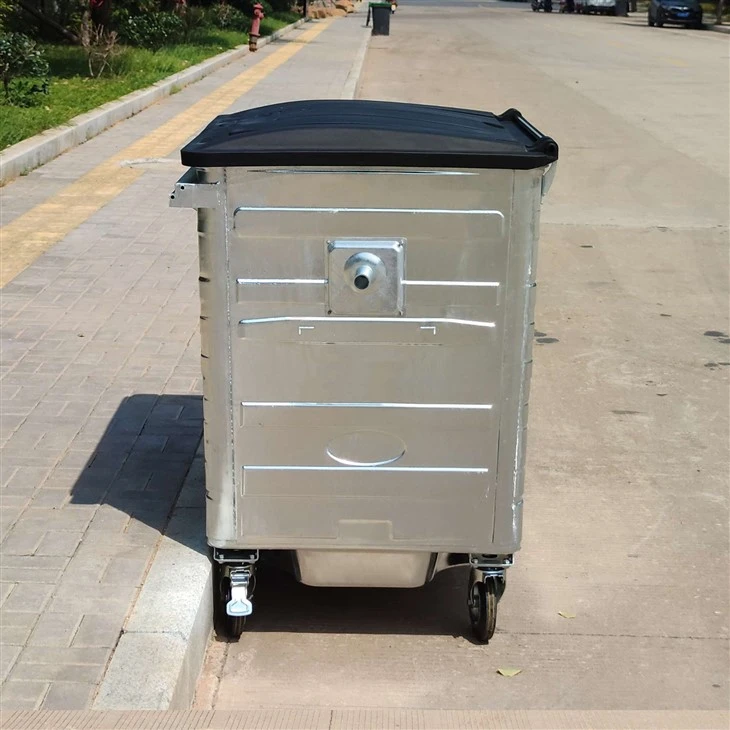
Place a few charcoal briquettes or baking soda inside the trash can. These natural odor absorbers can help neutralize the smell. You can also use scented trash bags or add a few drops of essential oil to a cotton ball and place it in the can.
Our Galvanized Waste Basket can also benefit from these odor - control methods.
Conclusion
Maintaining an outdoor metal trash can doesn't have to be a hassle. By following these simple tips, you can keep your trash can looking and working great for years to come. Regular cleaning, rust prevention, and proper care of the lid, handle, and wheels are key. And don't forget to do regular inspections to catch any problems early.
If you're in the market for a high - quality outdoor metal trash can, reach out to us. We've got a wide range of options to suit your needs. Whether you need a small waste basket or a large moveable trash bin, we can help. Contact us today to start a procurement discussion and find the perfect trash can for your outdoor space.
References
- Various industry - standard metal maintenance guides
- In - house product knowledge and experience from supplying outdoor metal trash cans.