


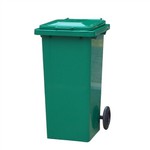
Maintaining 770L galvanized bins is crucial for ensuring their longevity and optimal performance. As a supplier of 770L galvanized bins, I understand the importance of providing customers with the knowledge and guidance needed to properly care for these bins. In this blog post, I will share some essential tips on how to maintain 770L galvanized bins to keep them in excellent condition.
Understanding Galvanized Bins
Galvanized bins are made of steel that has been coated with a layer of zinc to protect it from corrosion. This process, known as galvanization, creates a durable and long-lasting surface that can withstand harsh environmental conditions. The 770L capacity makes these bins suitable for various applications, including industrial waste management and large-scale garbage collection.
Regular Cleaning
One of the most important aspects of maintaining 770L galvanized bins is regular cleaning. Over time, dirt, debris, and other contaminants can accumulate on the surface of the bins, which can lead to corrosion and damage. To prevent this, it is recommended to clean the bins at least once a month using a mild detergent and water.
- Step 1: Empty the Bin
Before cleaning the bin, make sure to empty it completely. Remove all the waste and debris from the bin, and dispose of it properly. - Step 2: Prepare the Cleaning Solution
Mix a mild detergent with water in a bucket. Use a soft-bristled brush or sponge to apply the cleaning solution to the surface of the bin. Avoid using abrasive cleaners or tools, as they can scratch the galvanized coating. - Step 3: Scrub the Bin
Gently scrub the surface of the bin with the brush or sponge, paying special attention to areas that are heavily soiled. Rinse the bin thoroughly with clean water to remove all the soap residue. - Step 4: Dry the Bin
Use a clean towel or cloth to dry the bin completely. Make sure to remove all the moisture from the surface of the bin to prevent rusting.
Inspecting for Damage
Regular inspections are essential for identifying any signs of damage or wear on the 770L galvanized bins. Inspect the bins at least once a month for any cracks, holes, or other damage. If you notice any damage, it is important to repair it as soon as possible to prevent further corrosion and damage.


- Step 1: Check the Galvanized Coating
Inspect the galvanized coating on the surface of the bin for any signs of damage or wear. Look for areas where the coating has been scratched or chipped, as these areas are more susceptible to corrosion. - Step 2: Check the Structure of the Bin
Inspect the structure of the bin for any signs of damage or deformation. Look for cracks, holes, or other damage in the walls, bottom, or lid of the bin. If you notice any damage, it is important to repair it as soon as possible to prevent further damage. - Step 3: Check the Wheels and Handles
Inspect the wheels and handles of the bin for any signs of damage or wear. Look for loose or damaged wheels, as well as any signs of wear on the handles. If you notice any damage, it is important to repair or replace the wheels or handles as soon as possible.
Preventing Corrosion
Corrosion is one of the biggest threats to the longevity of 770L galvanized bins. To prevent corrosion, it is important to take steps to protect the galvanized coating on the surface of the bin.
- Avoid Exposure to Harsh Chemicals
Avoid exposing the bins to harsh chemicals, such as acids, alkalis, or solvents. These chemicals can damage the galvanized coating and lead to corrosion. - Keep the Bins Dry
Make sure to keep the bins dry at all times. Avoid leaving the bins outside in the rain or snow, as this can cause the galvanized coating to rust. - Apply a Protective Coating
Consider applying a protective coating to the surface of the bins to help prevent corrosion. There are many different types of protective coatings available, including paint, wax, and sealants.
Proper Storage
Proper storage is also important for maintaining 770L galvanized bins. When not in use, it is recommended to store the bins in a dry, protected area.
- Store the Bins Indoors
If possible, store the bins indoors to protect them from the elements. This will help prevent corrosion and damage to the galvanized coating. - Stack the Bins Properly
When stacking the bins, make sure to stack them properly to prevent damage. Avoid stacking the bins too high, as this can cause them to tip over and damage the bins. - Cover the Bins
If you need to store the bins outdoors, make sure to cover them with a tarp or other protective covering to protect them from the elements.
Conclusion
Maintaining 770L galvanized bins is essential for ensuring their longevity and optimal performance. By following these tips, you can keep your bins in excellent condition and prevent corrosion and damage. If you have any questions or need further information on how to maintain 770L galvanized bins, please feel free to contact us. We are a leading supplier of 770L Industrial Waste Bin and 770L Wheels Garbage Bin, and we are committed to providing our customers with the highest quality products and services. Whether you are looking to purchase new bins or need help maintaining your existing bins, we are here to help. Contact us today to learn more about our products and services and to discuss your specific needs.
References
- "Galvanized Steel: Properties, Applications, and Advantages." Engineering ToolBox.
- "How to Clean and Maintain Galvanized Steel." The Spruce.
- "Preventing Corrosion in Galvanized Steel." Corrosionpedia.