

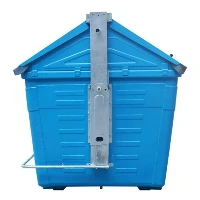

As a 240L metal garbage bin supplier, I often encounter customers who are unsure about the proper way to empty these robust containers. In this blog post, I'll guide you through the process step - by - step, ensuring that you can handle the task safely and efficiently.
Why Proper Emptying Matters
Before diving into the actual process, it's essential to understand why proper emptying of a 240L metal garbage bin is crucial. Firstly, these bins are designed to hold a significant volume of waste, and incorrect emptying can lead to spillage, which is not only messy but also a potential health hazard. Secondly, regular and proper emptying extends the lifespan of the bin, preventing excessive wear and tear caused by overly heavy loads or corrosion from stagnant waste.
Pre - Emptying Preparations
- Inspect the Bin: Before attempting to empty the 240L metal garbage bin, conduct a quick inspection. Look for any signs of damage such as cracks, dents, or loose parts. A damaged bin may be at a higher risk of falling apart during the emptying process, which could cause physical injury and waste spillage. If you notice any significant damage, it might be time to consider replacing the bin with a new one, such as our 240L Galvanized Metal Garbage Bin.
- Choose the Right Location: Find a suitable area to empty the bin. This should be a flat surface to prevent the bin from tipping over. If possible, choose a location close to the waste disposal point, such as a dumpster or a waste collection vehicle, to minimize the distance you need to move the waste.
- Wear Protective Gear: Always protect yourself when dealing with waste. Put on gloves to avoid direct contact with potentially harmful substances and a dust mask to prevent inhalation of dust and fumes. Safety goggles are also recommended, especially if you're dealing with sharp objects or debris that could fly up during the emptying process.
Manual Emptying Method
- Lift the Bin: If you're emptying the bin manually, make sure you lift it correctly to avoid back injuries. Bend your knees, keep your back straight, and use your leg muscles to lift the bin. Grab the bin firmly by the handles. Since a 240L metal garbage bin can be quite heavy when full, it may be advisable to have a second person help with the lifting.
- Tilt the Bin: Once you've lifted the bin, slowly tilt it towards the waste disposal point. Start by gently tipping the bin forward, allowing the waste to start sliding out. As the waste begins to move, gradually increase the angle until all the waste has emptied into the disposal container. Be careful not to over - tilt the bin, as this could cause it to fall or spill waste in an uncontrolled manner.
- Clean the Interior: After emptying, use a brush or a hose to clean the interior of the bin. This helps remove any remaining debris and prevents the build - up of odors and bacteria. A clean bin is also more hygienic and less likely to attract pests.
Using a Mechanical Lifter
- Positioning the Bin: If you have access to a mechanical lifter, such as the ones used by waste collection services, first position the bin correctly. Most mechanical lifters have a designated area where the bin should be placed. Align the bin with the lifting mechanism, ensuring that the handles are properly engaged.
- Engage the Lifter: Once the bin is in position, activate the mechanical lifter according to the manufacturer's instructions. The lifter will raise the bin and usually tip it automatically over the waste collection vehicle. Monitor the process closely to ensure that the bin is emptied completely and that there are no blockages.
- Disengage and Inspect: After the bin has been emptied, lower it back to the ground and disengage it from the lifting mechanism. Inspect the bin again to ensure that it has not been damaged during the process.
- Clean as Needed: Just like with manual emptying, it's a good idea to clean the interior of the bin after using a mechanical lifter. This helps maintain the bin's condition and keeps it looking presentable.
Special Considerations for Different Types of Waste
- Organic Waste: If the bin contains organic waste such as food scraps, it's important to empty it more frequently to prevent the growth of mold and bacteria. These types of waste also tend to produce unpleasant odors quickly. When emptying, be aware that the waste may be sticky, so additional cleaning may be required.
- Recyclable Waste: For bins filled with recyclables like paper, plastics, and metals, separate the waste as much as possible before emptying. This makes the recycling process more efficient. Some recycling facilities may have specific requirements for how recyclables should be sorted and presented.
- Hazardous Waste: Never mix hazardous waste with regular garbage in a 240L metal garbage bin. Hazardous waste includes items such as batteries, chemicals, and sharp objects. These should be disposed of at specialized facilities according to local regulations.
Maintenance of the 240L Metal Garbage Bin After Emptying
- Rust Prevention: Since these bins are made of metal, they are prone to rust. After cleaning and drying the bin, consider applying a rust - resistant paint or coating to protect the surface. This is particularly important for outdoor bins, which are exposed to the elements. Our 240L Outdoor Galvanized Garbage Bin already has a galvanized coating for enhanced rust protection.
- Lubricate Moving Parts: If the bin has any moving parts such as wheels or hinges, lubricate them regularly. This ensures smooth operation and reduces the likelihood of parts seizing up.
- Store Properly: When not in use, store the bin in a dry place to prevent corrosion. If possible, store it upside down to prevent water from collecting inside.
Other Bin Options from Our Range
In addition to the 240L metal garbage bin, we also offer the 280L Galvanized Public Garbage Bin. This larger capacity bin is ideal for public areas such as parks, streets, and shopping centers. It has the same high - quality galvanized construction as our 240L bins, providing long - lasting durability.
Conclusion and Call to Action
Emptying a 240L metal garbage bin doesn't have to be a difficult task. By following the steps outlined in this blog post, you can ensure a safe and efficient waste disposal process. Whether you're an individual homeowner, a business owner, or a public facility manager, having the right knowledge and tools makes all the difference.


If you're in the market for high - quality metal garbage bins, we're here to help. We offer a wide range of products designed to meet various waste management needs. Please reach out to us for more information on our products, including pricing and delivery options. Our team of experts is ready to assist you in finding the perfect solution for your waste management requirements.
References
- Waste Management Association Journal. Best Practices for Emptying Large - Capacity Garbage Bins.
- Metal Container Manufacturers Association. Maintenance Guide for Galvanized Metal Garbage Bins.