


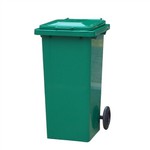
Composting is a wonderful way to turn organic waste into nutrient - rich soil conditioner. It reduces landfill waste and provides a natural alternative to chemical fertilizers. A common inquiry I often receive as a galvanized trash can supplier is, "Can I use a galvanized trash can for composting?" Let's explore this topic in depth.
The Basics of Composting
Before delving into the suitability of galvanized trash cans for composting, it's essential to understand the composting process. Composting is a biological process where microorganisms break down organic materials, such as food scraps, yard waste, and leaves, into a dark, crumbly substance known as compost. This process requires the right balance of carbon - rich materials (browns), nitrogen - rich materials (greens), oxygen, and moisture.
Galvanized Trash Cans: An Overview
Galvanized trash cans are made of steel that has been coated with a layer of zinc. This zinc coating serves as a protective barrier, preventing the steel from rusting and corroding. Galvanized trash cans are popular due to their durability, strength, and resistance to the elements. They come in various sizes, such as 240L Galvanized Metal Garbage Bin, 240L Outdoor Galvanized Garbage Bin, and 280L Galvanized Public Garbage Bin, making them suitable for different needs.
Advantages of Using Galvanized Trash Cans for Composting
- Durability: Galvanized trash cans are built to last. They can withstand harsh weather conditions, including rain, snow, and extreme temperatures, without deteriorating quickly. This means that your composting container will remain functional for an extended period, providing a long - term solution for your composting needs.
- Pest Resistance: The solid structure of galvanized trash cans helps keep pests such as rodents, raccoons, and insects out of the compost pile. The tight - fitting lids prevent these unwanted visitors from accessing the organic materials and disrupting the composting process.
- Moisture Control: These trash cans can help maintain the right level of moisture in the compost pile. They prevent excessive water from entering during heavy rainfall, which could lead to waterlogging and anaerobic conditions. At the same time, they can also retain some moisture during dry periods.
- Portability: Depending on the size, galvanized trash cans can be relatively easy to move around. This is useful if you need to relocate your compost pile for reasons such as sunlight exposure or accessibility.
Concerns Regarding Galvanized Trash Cans for Composting
- Zinc Leaching: One of the main concerns is the potential for zinc to leach into the compost. Zinc is an essential micronutrient for plants, but in high concentrations, it can be toxic. However, the galvanized coating on trash cans is designed to be stable and resistant to corrosion. Under normal composting conditions, the risk of significant zinc leaching is relatively low. As long as the zinc coating remains intact, the amount of zinc that could enter the compost is likely to be within the acceptable range for plant growth.
- Temperature Regulation: Composting is a thermophilic process, which means that it generates heat as the microorganisms break down the organic matter. Galvanized metal is a good conductor of heat, which can cause the compost to lose heat more quickly than other insulated composting containers. This may slow down the composting process, especially in colder climates. To mitigate this issue, you can insulate the outside of the trash can with materials such as straw or bubble wrap.
- Aeration: Adequate aeration is crucial for the composting process, as the microorganisms need oxygen to thrive. Galvanized trash cans typically have solid walls, which can limit air circulation. To ensure proper aeration, you need to create holes in the sides and bottom of the trash can. These holes should be large enough to allow air to flow but small enough to prevent pests and the compost from falling out.
How to Use a Galvanized Trash Can for Composting
- Choose the Right Size: Select a size that suits your composting needs. If you have a small garden or generate a limited amount of organic waste, a smaller trash can may be sufficient. For larger gardens or more significant amounts of waste, a larger capacity trash can, like the 280L Galvanized Public Garbage Bin, would be a better choice.
- Prepare the Trash Can: Drill holes in the sides and bottom of the trash can to allow for air circulation and drainage. Make sure the holes are evenly spaced and about 1 - 2 inches in diameter. You can also add a layer of gravel or broken pottery at the bottom to improve drainage.
- Build the Compost Pile: Start by adding a layer of brown materials, such as leaves or shredded newspaper, at the bottom of the trash can. Then, add a layer of green materials, such as grass clippings or food scraps. Alternate between browns and greens until the trash can is about three - quarters full. Make sure to keep the pile moist but not soggy, and turn the compost regularly to aerate it.
- Monitor the Compost: Check the compost regularly for temperature, moisture, and odor. The compost should feel warm to the touch, indicating that the microorganisms are active. If the compost smells bad or is too wet, you may need to add more brown materials and turn the pile more frequently.
Conclusion
In conclusion, using a galvanized trash can for composting is a viable option. While there are some concerns, such as potential zinc leaching and temperature regulation, these can be managed with proper care and maintenance. The durability, pest resistance, and moisture - control features of galvanized trash cans make them a practical choice for many composters.
If you're interested in starting your composting journey with a high - quality galvanized trash can, we're here to assist you. Our range of galvanized trash cans, including 240L Galvanized Metal Garbage Bin, 240L Outdoor Galvanized Garbage Bin, and 280L Galvanized Public Garbage Bin, offers different sizes to meet your specific requirements. Contact us to discuss your procurement needs and explore how our products can support your composting efforts.


References
- "Composting Basics" by the United States Environmental Protection Agency
- "The Science of Composting" by the Composting Council Research and Education Foundation
- "Galvanized Steel: Properties and Applications" by the American Galvanizers Association