

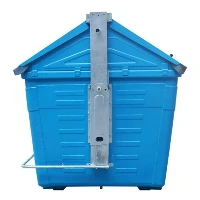

When it comes to waste management in a museum, the choice of waste cans is far from a trivial matter. It requires careful consideration of various factors, including functionality, aesthetics, and compliance with museum - specific requirements. As a supplier of 770L movable waste cans, I am often asked whether our products can be used in a museum setting. In this blog post, I will explore this question from multiple perspectives.
Functionality and Capacity
One of the primary concerns in waste management is capacity. Museums, especially large - scale ones, receive a significant number of visitors daily. With the flow of people comes a considerable amount of waste, including food wrappers, ticket stubs, and other small items. A 770L movable waste can offers a substantial capacity, which means it doesn't need to be emptied as frequently. This is a huge advantage as it reduces the disruption to museum operations. Staff won't have to make constant trips to empty small - capacity bins, allowing them to focus on other important tasks such as visitor assistance and exhibition maintenance.
The mobility of the 770L waste can is another crucial feature. In a museum, the layout and the flow of visitors can change depending on special exhibitions or events. A movable waste can can be easily repositioned to high - traffic areas or near specific exhibits. For example, during a popular temporary exhibition, the waste can can be moved closer to the entrance and exit of the exhibition hall to ensure convenient waste disposal for visitors. Our 770L Wheels Garbage Bin is designed with high - quality wheels that allow for smooth movement, even on different types of museum floors, whether they are marble, tile, or carpet.
Aesthetics and Design
Museums are places of art and culture, and the appearance of waste cans should blend in with the overall environment. Our 770L movable waste cans are available in a variety of designs and finishes. They can be customized to match the color scheme and style of the museum. For instance, if a museum has a modern and minimalist design, we can provide waste cans with a sleek, simple look, perhaps in a neutral color like black or white. On the other hand, for a museum with a more traditional or historical theme, we can offer waste cans with decorative elements that complement the architecture and exhibits.
Moreover, the design of the waste can should also prevent the waste from being visible. This is important to maintain the aesthetic appeal of the museum. Our 770L Industrial Waste Bin is equipped with a well - fitting lid that keeps the waste hidden from view. It also helps to contain odors, which is essential in a public space like a museum where a pleasant atmosphere is crucial for the visitors' experience.
Hygiene and Safety
Hygiene is a top priority in a museum. A large - capacity waste can like the 770L one should be easy to clean. Our waste cans are made of durable and easy - to - sanitize materials. They can be quickly and effectively cleaned to prevent the growth of bacteria and the spread of diseases. The smooth interior surface of the waste can allows for easy removal of any waste residue, and the materials are resistant to stains and corrosion.
In terms of safety, the 770L movable waste can is designed with stability in mind. The wheels are equipped with locking mechanisms to prevent the can from rolling accidentally, especially on sloped floors or when there is a lot of foot traffic. Additionally, the waste can is made of sturdy materials that can withstand the normal wear and tear of a museum environment, reducing the risk of damage and potential hazards to visitors and staff.
Compliance with Museum Regulations
Museums often have strict regulations regarding waste management. This includes requirements for waste separation, fire safety, and environmental sustainability. Our 770L movable waste cans can be designed to meet these requirements. For waste separation, we can provide multi - compartment waste cans that allow for the separation of different types of waste, such as recyclables and non - recyclables.
In terms of fire safety, the materials used in our waste cans are fire - resistant. They can help prevent the spread of fire in case of an emergency, which is of utmost importance in a museum filled with valuable and irreplaceable artifacts. Regarding environmental sustainability, our waste cans can be made from recycled materials and are themselves recyclable at the end of their lifespan.


Cost - effectiveness
Investing in a 770L movable waste can is a cost - effective solution for museums. Although the initial purchase cost may be higher compared to smaller waste cans, the long - term savings are significant. The reduced frequency of emptying and cleaning means lower labor costs. Additionally, the durability of our waste cans means that they have a longer lifespan, reducing the need for frequent replacements.
Conclusion
In conclusion, a 770L movable waste can can indeed be used in a museum. Its large capacity, mobility, aesthetic design options, hygiene and safety features, compliance with regulations, and cost - effectiveness make it a viable choice for waste management in a museum setting.
If you are a museum manager or in charge of waste management in a similar cultural institution, and you are interested in learning more about our 770L movable waste cans, or if you wish to discuss potential procurement opportunities, please feel free to reach out. We are more than happy to provide you with detailed product information, customized solutions, and competitive pricing.
References
- Smith, J. (2018). Best Practices in Museum Waste Management. Journal of Museum Studies, 22(3), 45 - 56.
- Brown, A. (2019). The Role of Functional and Aesthetic Design in Public Space Waste Containers. Environmental Design Review, 15(2), 78 - 91.