

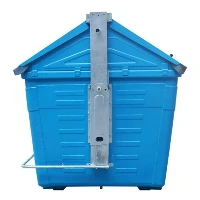

Storage of grains is a crucial aspect of the agricultural and food industries, and choosing the right storage container is essential to ensure the quality and longevity of the stored grains. As a supplier of 1100L galvanized bins, I often encounter inquiries about whether these bins are suitable for grain storage. In this blog post, I will explore the feasibility of using 1100L galvanized bins for storing grains, considering various factors such as the properties of galvanized bins, their advantages and disadvantages, and the requirements for proper grain storage.
Properties of 1100L Galvanized Bins
Galvanized bins are made of steel that has been coated with a layer of zinc to protect it from corrosion. This coating provides a durable and long - lasting surface that can withstand harsh environmental conditions. The 1100L capacity of these bins makes them suitable for medium - to large - scale grain storage.
The structural integrity of the bins is another important property. They are designed to be sturdy and can support the weight of the grains stored inside. The galvanized coating also helps to prevent rust and deterioration, which are common problems in metal storage containers exposed to moisture.
Advantages of Using 1100L Galvanized Bins for Grain Storage
Protection Against Corrosion
One of the main advantages of galvanized bins is their resistance to corrosion. Grains are often stored in environments where there is a risk of moisture, such as in barns or open - air storage areas. The zinc coating on the bins acts as a barrier, preventing the steel from coming into contact with moisture and oxygen, which are the main causes of rust. This protection ensures that the bins remain intact and do not contaminate the grains with rust particles.
Durability
Galvanized bins are known for their durability. They can withstand physical impacts, such as being bumped or scraped during handling. This is important in a grain storage environment where the bins may be moved around or stacked. The long - term durability of the bins means that they can be used for many years, providing a cost - effective storage solution.
Pest Resistance
The smooth surface of galvanized bins makes it difficult for pests such as rodents and insects to gain access to the grains. Unlike some other storage materials, galvanized steel does not provide hiding places or nesting sites for pests. This helps to keep the grains safe from infestation, reducing the risk of spoilage.
Disadvantages of Using 1100L Galvanized Bins for Grain Storage
Temperature and Humidity Control
While galvanized bins offer good protection against corrosion, they may not provide optimal temperature and humidity control. Grains need to be stored at a specific temperature and humidity level to prevent spoilage. In hot and humid climates, the temperature inside the bins can rise, and moisture can accumulate, leading to mold growth and insect infestation. Additional measures, such as ventilation systems or climate - controlled storage facilities, may be required to maintain the proper conditions.
Initial Cost
Galvanized bins can be more expensive than some other types of grain storage containers, such as plastic bins or fabric silos. The initial investment in purchasing these bins may be a deterrent for some farmers or small - scale grain producers. However, considering their long - term durability and benefits, the cost may be justified over time.
Requirements for Proper Grain Storage
Cleanliness
Before storing grains in 1100L galvanized bins, it is essential to ensure that the bins are clean. Any dirt, debris, or remnants of previous stored grains can attract pests and cause spoilage. The bins should be thoroughly cleaned and disinfected to provide a clean environment for the new batch of grains.
Grain Quality
The quality of the grains being stored also plays a crucial role. Only grains that are free from moisture, damage, and pests should be stored in the bins. High - moisture grains can lead to mold growth, while damaged grains are more likely to attract insects.
Ventilation
Proper ventilation is necessary to prevent the buildup of heat and moisture inside the bins. Ventilation can be achieved through the use of vents or fans. This helps to maintain a stable temperature and humidity level, reducing the risk of spoilage.
Our 1100L Galvanized Bins Offerings
As a supplier of 1100L galvanized bins, we offer a variety of products to meet different customer needs. Our Galvanized Steel Garbage Can With Lid provides a secure and protected storage solution for grains. The lid helps to keep out pests and moisture, ensuring the quality of the stored grains.
We also have the Metal Waste Basket With Lid, which is designed with a sturdy structure and a tight - fitting lid. This product is suitable for storing grains in a controlled environment, and its galvanized coating provides long - term protection against corrosion.


In addition, our Large Metal Garbage Can Lid can be used to replace or upgrade existing lids on the bins. A well - fitting lid is essential for maintaining the integrity of the grain storage environment.
Conclusion
In conclusion, 1100L galvanized bins can be used for storing grains, but it is important to consider their advantages and disadvantages and meet the requirements for proper grain storage. The corrosion resistance, durability, and pest resistance of these bins make them a viable option for many grain storage applications. However, additional measures may be needed to control temperature and humidity, especially in challenging environments.
If you are interested in purchasing 1100L galvanized bins for grain storage, we invite you to contact us to discuss your specific requirements. Our team of experts can provide you with detailed information and guide you through the selection process to ensure that you get the right product for your grain storage needs.
References
- American Society of Agricultural and Biological Engineers (ASABE). (2019). Standards for grain storage structures.
- National Grain and Feed Association (NGFA). (2020). Best practices for grain storage management.