

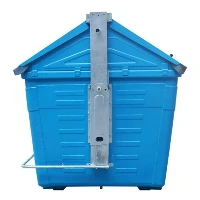

Hey there, fellow poultry farmers! I'm a supplier of metal farmer trash bins, and I've been getting a lot of questions lately about whether our bins are suitable for poultry farms. So, I thought I'd write this blog to share my thoughts and experiences on the matter.
First off, let's talk about why you need trash bins on a poultry farm in the first place. Poultry farms generate a lot of waste, including manure, bedding materials, dead birds, and food scraps. If not properly managed, this waste can attract pests, spread diseases, and create unpleasant odors. That's where trash bins come in. They provide a convenient and hygienic way to collect and dispose of waste, keeping your farm clean and safe for both your birds and your workers.
Now, let's get to the main question: Are metal farmer trash bins suitable for a poultry farm? The short answer is yes! Metal trash bins offer several advantages over other types of bins, making them an excellent choice for poultry farms.
Durability
One of the biggest advantages of metal trash bins is their durability. Poultry farms can be tough environments, with heavy machinery, sharp tools, and lots of activity. Plastic or wooden bins may crack, break, or rot over time, but metal bins are built to last. They can withstand the rigors of daily use and are resistant to damage from impact, weather, and pests. This means you won't have to replace your bins as often, saving you money in the long run.
Hygiene
Another important factor to consider when choosing trash bins for a poultry farm is hygiene. Metal bins are easy to clean and sanitize, which is crucial for preventing the spread of diseases. You can simply hose them down with water and a disinfectant, and they'll be ready to use again. Plastic bins, on the other hand, can absorb odors and bacteria, making them more difficult to clean and maintain.
Security
Poultry farms often store valuable equipment and supplies, so security is a top concern. Metal trash bins are more difficult to break into than plastic or wooden bins, providing an extra layer of protection for your property. They can also be locked, preventing unauthorized access and keeping your waste secure.
Capacity
Poultry farms generate a lot of waste, so you need trash bins with a large capacity. Metal bins come in a variety of sizes, from small 120L bins to large 360L bins, so you can choose the ones that best suit your needs. For example, our 240L Outdoor Galvanized Garbage Bin and 280L Galvanized Public Garbage Bin are popular choices for poultry farms, as they offer a good balance of capacity and durability.
Cost
While metal trash bins may be more expensive than plastic or wooden bins upfront, they offer better value for money in the long run. As I mentioned earlier, they're more durable, so you won't have to replace them as often. They're also easier to clean and maintain, which can save you time and money on labor costs. Plus, their security features can help prevent theft and damage, which can save you even more money in the long run.
Types of Metal Trash Bins
There are several types of metal trash bins available on the market, each with its own unique features and benefits. Here are some of the most common types:
- Galvanized steel bins: These bins are coated with a layer of zinc to protect them from rust and corrosion. They're strong, durable, and resistant to the elements, making them a popular choice for outdoor use. Our 240L Galvanized Metal Garbage Bin is a great example of a galvanized steel bin.
- Stainless steel bins: These bins are made from high-quality stainless steel, which is resistant to rust, corrosion, and stains. They're also very easy to clean and maintain, making them a good choice for indoor use or in areas where hygiene is a top priority.
- Aluminum bins: These bins are lightweight, strong, and resistant to corrosion. They're also relatively inexpensive, making them a popular choice for budget-conscious poultry farmers.
Considerations When Choosing Metal Trash Bins
When choosing metal trash bins for your poultry farm, there are a few things you should keep in mind:
- Size: Make sure you choose bins that are the right size for your needs. Consider the amount of waste you generate on a daily basis, as well as the space you have available for storing the bins.
- Capacity: As I mentioned earlier, poultry farms generate a lot of waste, so you need bins with a large capacity. Look for bins that can hold at least 240L of waste, or more if possible.
- Durability: Make sure the bins are made from high-quality materials and are built to last. Look for bins that are resistant to impact, weather, and pests.
- Hygiene: Choose bins that are easy to clean and sanitize. Look for bins with smooth surfaces and no sharp edges or corners, as these can trap dirt and bacteria.
- Security: Consider choosing bins that can be locked, to prevent unauthorized access and keep your waste secure.
- Cost: While cost is an important factor, don't sacrifice quality for price. Look for bins that offer a good balance of durability, hygiene, and security at a reasonable price.
Conclusion
In conclusion, metal farmer trash bins are an excellent choice for poultry farms. They offer several advantages over other types of bins, including durability, hygiene, security, capacity, and cost. When choosing metal trash bins for your farm, make sure you consider the size, capacity, durability, hygiene, security, and cost of the bins. And if you have any questions or need help choosing the right bins for your needs, don't hesitate to contact me. I'm here to help!


If you're interested in purchasing metal farmer trash bins for your poultry farm, I'd love to talk to you. Just reach out, and we can discuss your specific requirements and find the perfect bins for your operation. Let's work together to keep your farm clean, safe, and efficient!
References
- Poultry Waste Management Handbook. USDA Natural Resources Conservation Service.
- Best Practices for Poultry Farm Sanitation. University of Georgia Cooperative Extension.
- The Importance of Waste Management on Poultry Farms. American Society of Agricultural and Biological Engineers.