

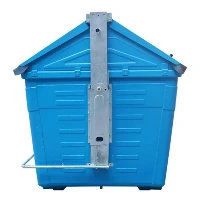

As a supplier of 120L - 360L galvanized bins, one of the most frequently asked questions I encounter is whether these bins are resistant to chemicals. This is a crucial concern, especially for industries and municipalities that deal with various types of waste, some of which may contain chemical substances. In this blog post, I will delve into the factors that affect the chemical resistance of galvanized bins and provide some insights based on scientific knowledge and practical experience.
Understanding Galvanized Bins
Galvanized bins are made of steel that has been coated with a layer of zinc through a process called galvanization. This zinc coating serves as a protective barrier between the steel and the environment, preventing rust and corrosion. The process of galvanization involves immersing the steel in a bath of molten zinc, which creates a metallurgical bond between the zinc and the steel. This bond is strong and durable, providing long - term protection for the steel.
Our company offers a range of galvanized bins, including the 120L Galvanized Garbage Bin with Wheels, the 240L Outdoor Galvanized Garbage Bin, and the 280L Galvanized Public Garbage Bin. These bins are designed to be sturdy and reliable, suitable for both indoor and outdoor use.
Chemical Resistance of Galvanized Bins
The chemical resistance of galvanized bins depends on several factors, including the type of chemical, the concentration of the chemical, the duration of exposure, and the environmental conditions.
Type of Chemical
Zinc is generally resistant to many common chemicals found in household and industrial waste. For example, it has good resistance to water, oxygen, and carbon dioxide, which are the main components of the atmosphere and can cause rusting in unprotected steel. However, zinc is not resistant to all chemicals. Strong acids and alkalis can react with the zinc coating, causing it to dissolve over time.
Acids such as hydrochloric acid, sulfuric acid, and nitric acid can rapidly corrode the zinc coating. When these acids come into contact with the zinc, they react to form zinc salts, which are soluble in water. As a result, the protective zinc coating is gradually removed, exposing the underlying steel to corrosion.
Alkalis, such as sodium hydroxide and potassium hydroxide, can also attack the zinc coating. Although the reaction rate is generally slower than with acids, prolonged exposure to high - concentration alkalis can still cause significant damage to the zinc coating.
On the other hand, some chemicals have little or no effect on the zinc coating. For example, most organic solvents, such as ethanol, acetone, and toluene, do not react with zinc under normal conditions. Similarly, many salts, such as sodium chloride (common salt), have a relatively low reactivity with zinc, especially at low concentrations.
Concentration of the Chemical
The concentration of the chemical plays a significant role in determining the rate of corrosion. Higher concentrations of corrosive chemicals will generally cause more rapid damage to the zinc coating. For example, a dilute solution of hydrochloric acid may have a relatively slow reaction with the zinc coating, while a concentrated solution can cause immediate and severe corrosion.
Duration of Exposure
The longer the galvanized bin is exposed to a corrosive chemical, the greater the damage to the zinc coating. Even a relatively mild chemical can cause significant damage if the exposure time is long enough. For example, if a galvanized bin is constantly filled with a waste containing a small amount of acid, over time, the acid will gradually eat away at the zinc coating.


Environmental Conditions
The environmental conditions, such as temperature and humidity, can also affect the chemical resistance of galvanized bins. Higher temperatures generally increase the rate of chemical reactions, including corrosion. In addition, high humidity can accelerate the corrosion process by providing a moist environment that promotes the formation of rust.
Practical Considerations for Using Galvanized Bins with Chemicals
Based on the above factors, here are some practical considerations for using galvanized bins when dealing with chemicals:
Segregation of Waste
It is essential to segregate waste according to its chemical nature. If possible, avoid putting highly corrosive chemicals in galvanized bins. Instead, use specialized containers made of materials that are resistant to the specific chemicals. For example, if you need to dispose of strong acids, use containers made of acid - resistant plastics or glass.
Dilution and Neutralization
If it is necessary to dispose of chemicals in galvanized bins, try to dilute or neutralize the chemicals first. For example, if you have a small amount of acid waste, you can add a base to neutralize the acid before putting it in the bin. This can significantly reduce the corrosive effect on the zinc coating.
Regular Inspection and Maintenance
Regularly inspect the galvanized bins for signs of corrosion. If you notice any damage to the zinc coating, such as rust spots or peeling, take appropriate measures to repair or replace the bin. You can also apply a protective coating on the surface of the bin to enhance its chemical resistance.
Conclusion
In conclusion, 120L - 360L galvanized bins have a certain degree of chemical resistance, but their performance varies depending on the type, concentration, and duration of exposure to chemicals. While they are suitable for most common waste, they may not be the best choice for storing highly corrosive chemicals.
As a supplier of 120L - 360L galvanized bins, we are committed to providing our customers with high - quality products and professional advice. If you have any questions about the chemical resistance of our bins or need help in choosing the right bin for your specific needs, please feel free to contact us for a procurement discussion. We will be happy to assist you in finding the most suitable solution for your waste management requirements.
References
- ASM Handbook Volume 13A: Corrosion: Fundamentals, Testing, and Protection. ASM International.
- Corrosion Basics: An Introduction. NACE International.
- The Zinc - Coated Steel Manual. International Zinc Association.